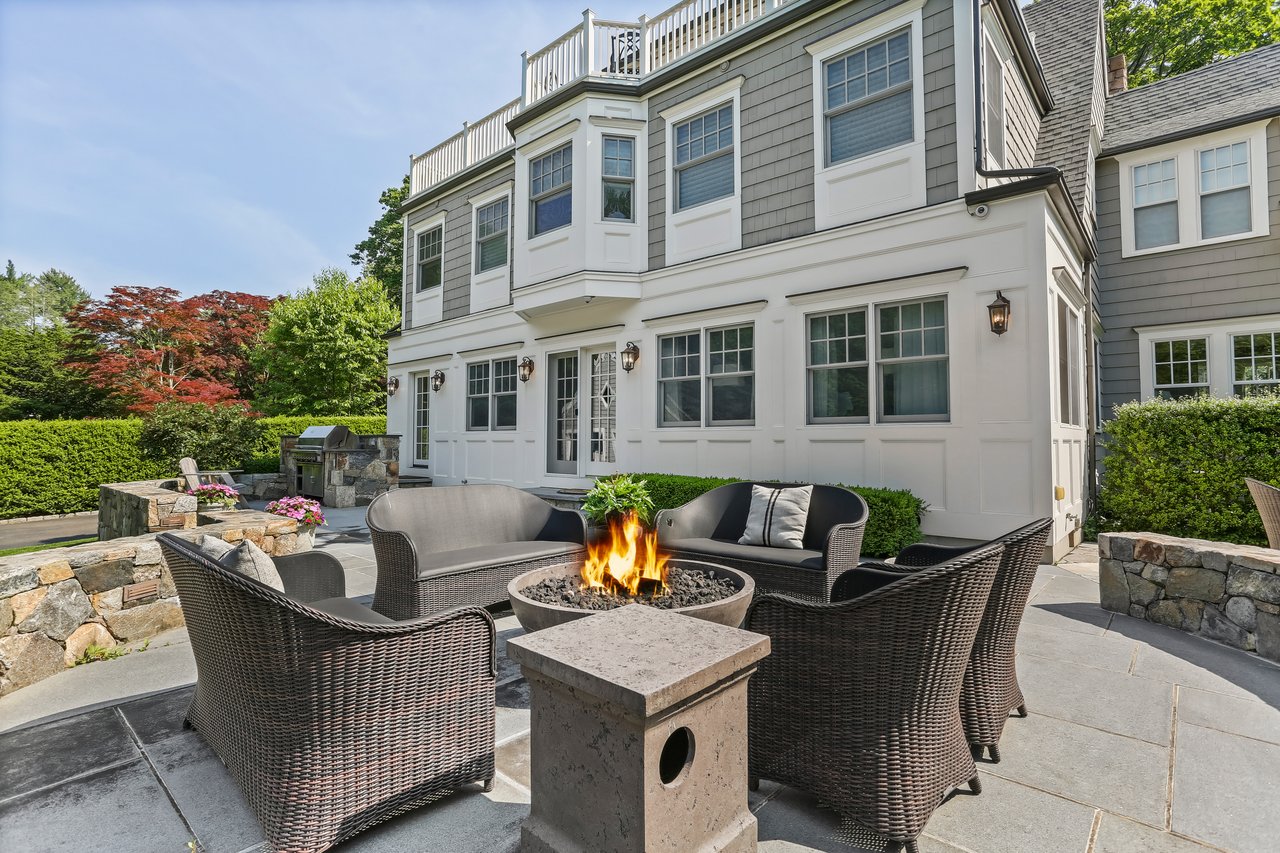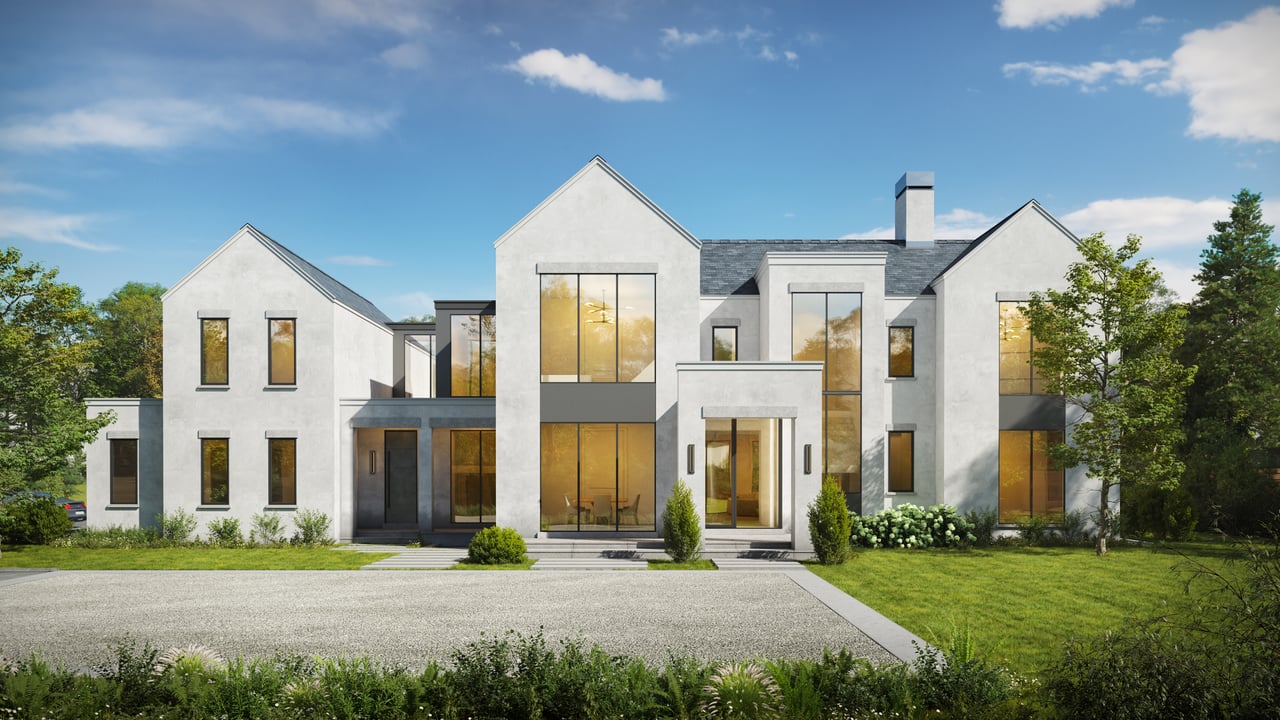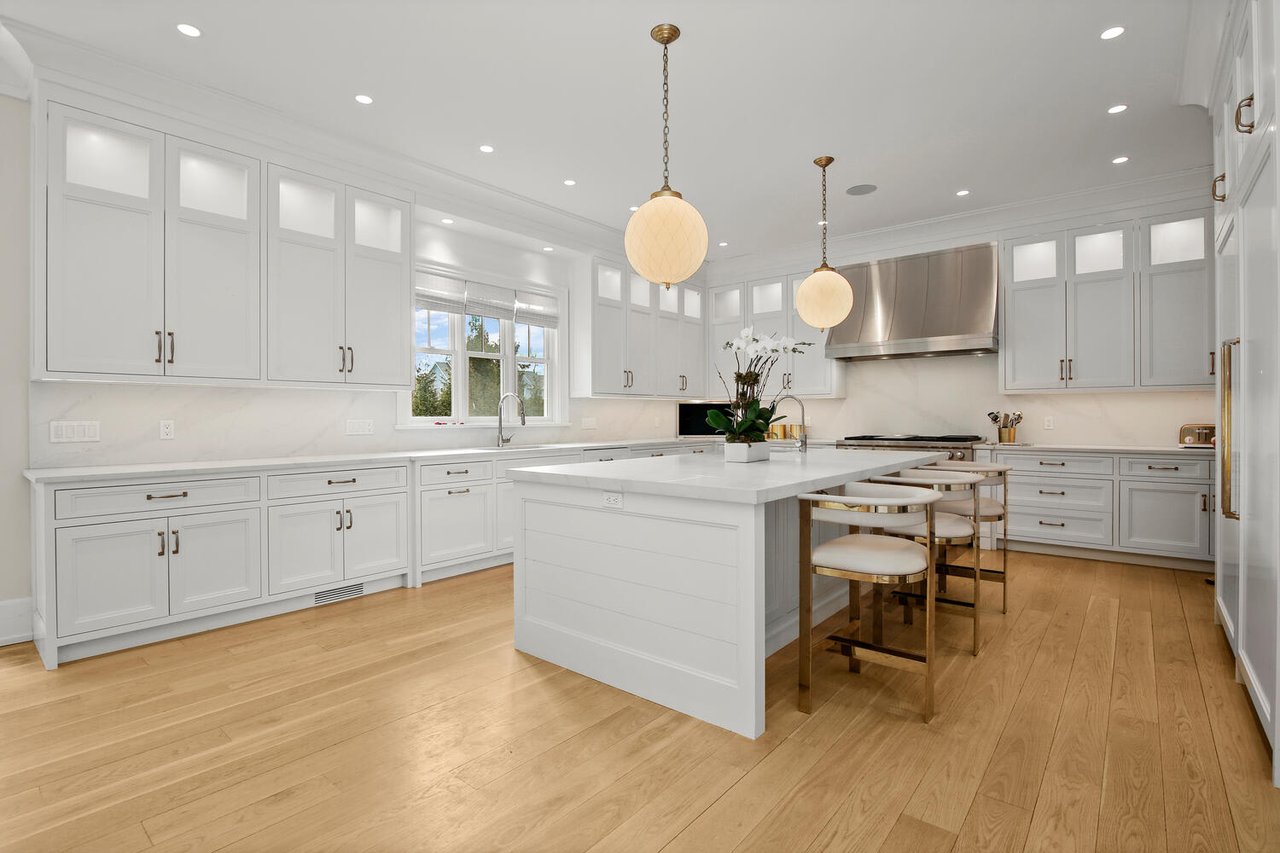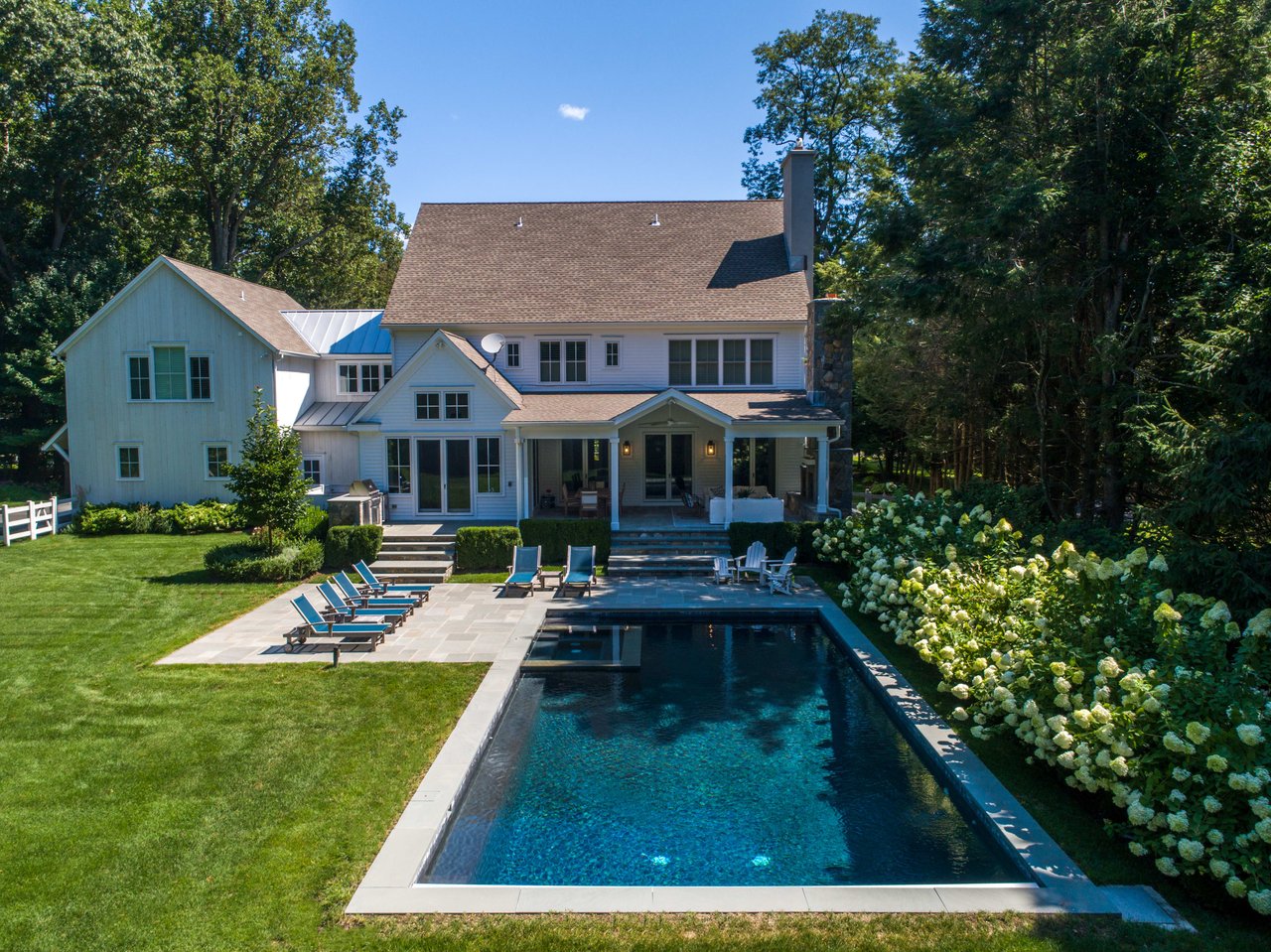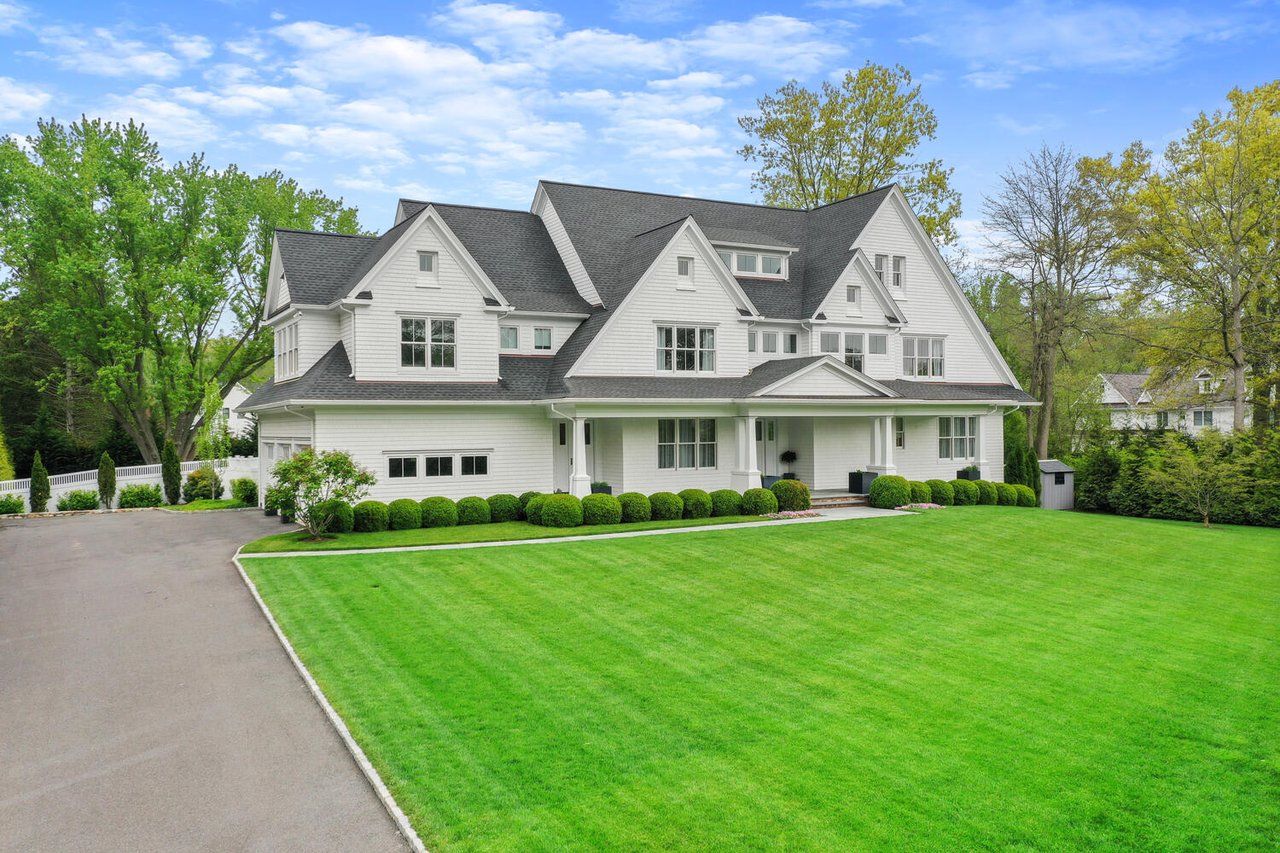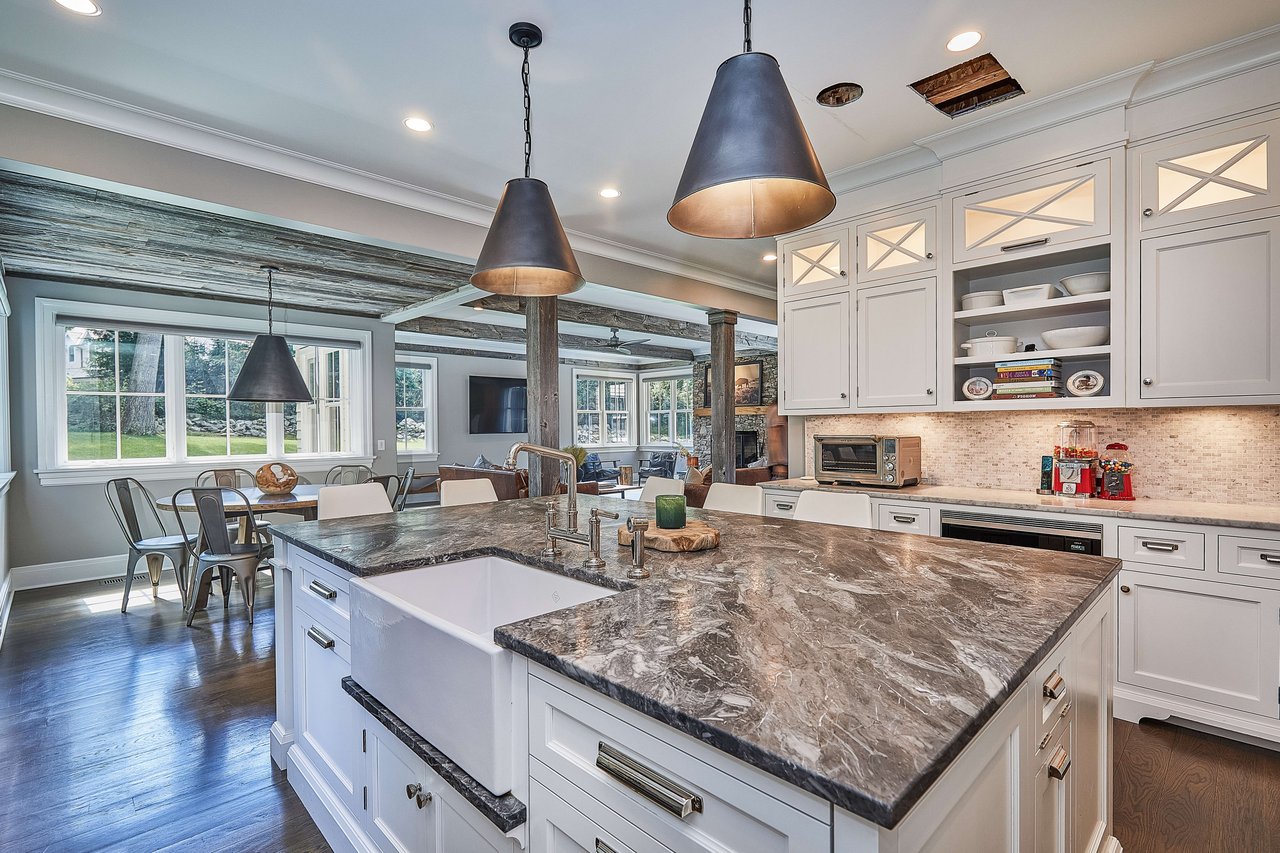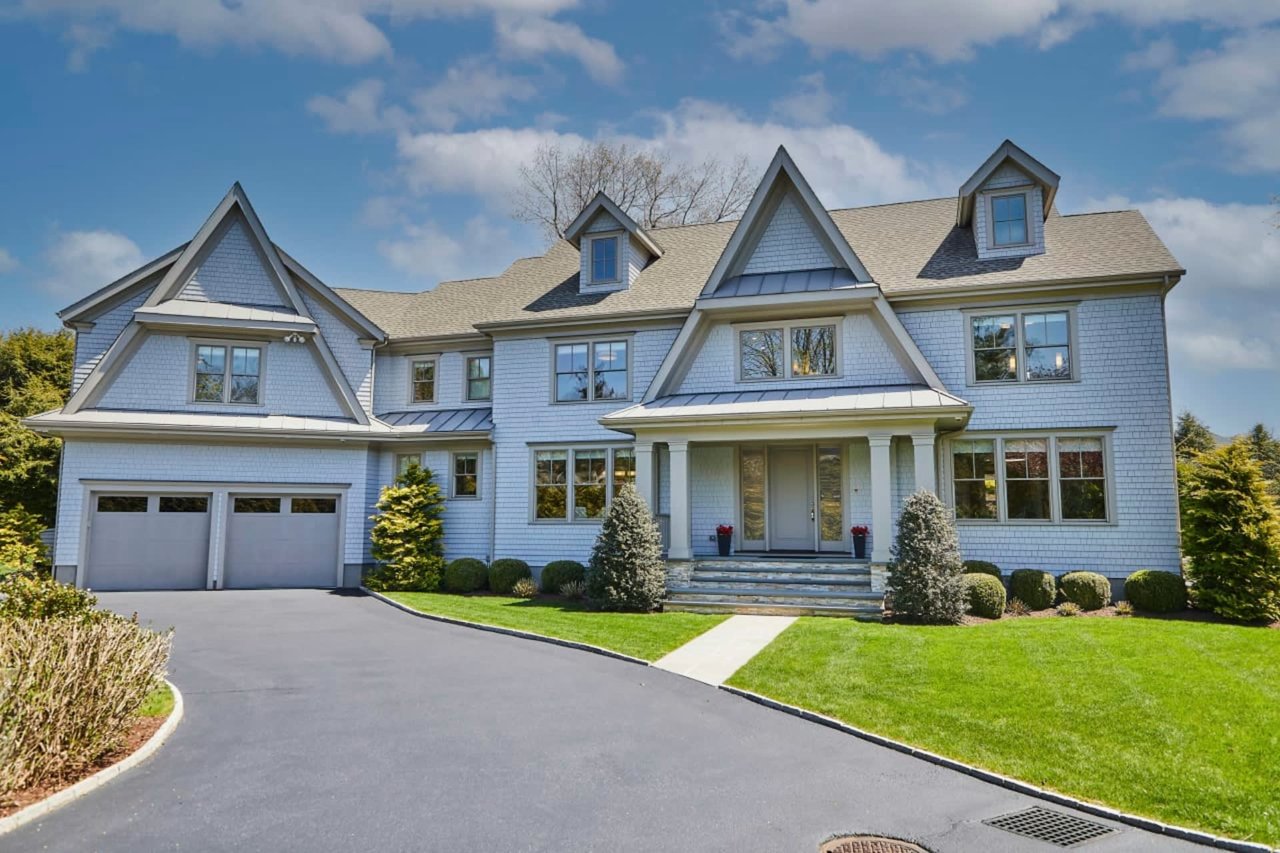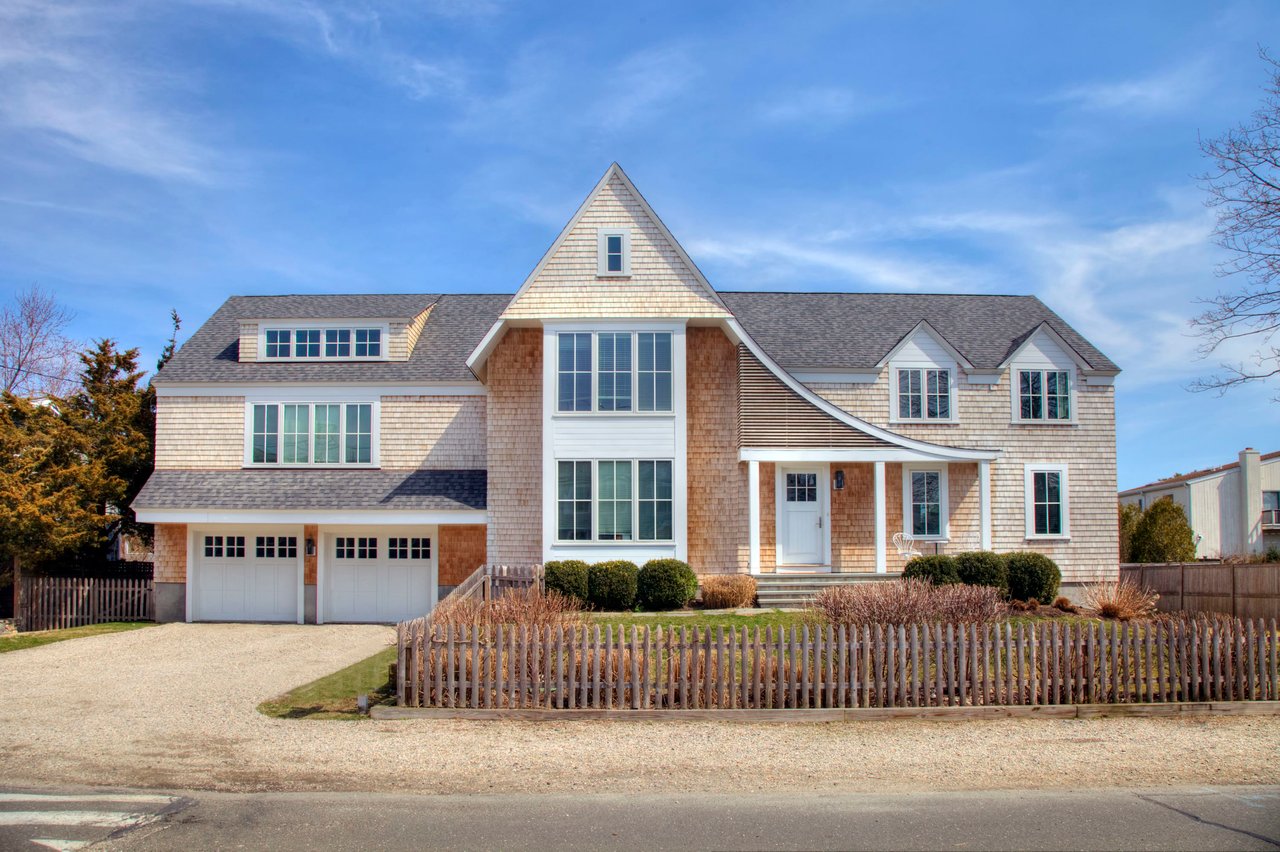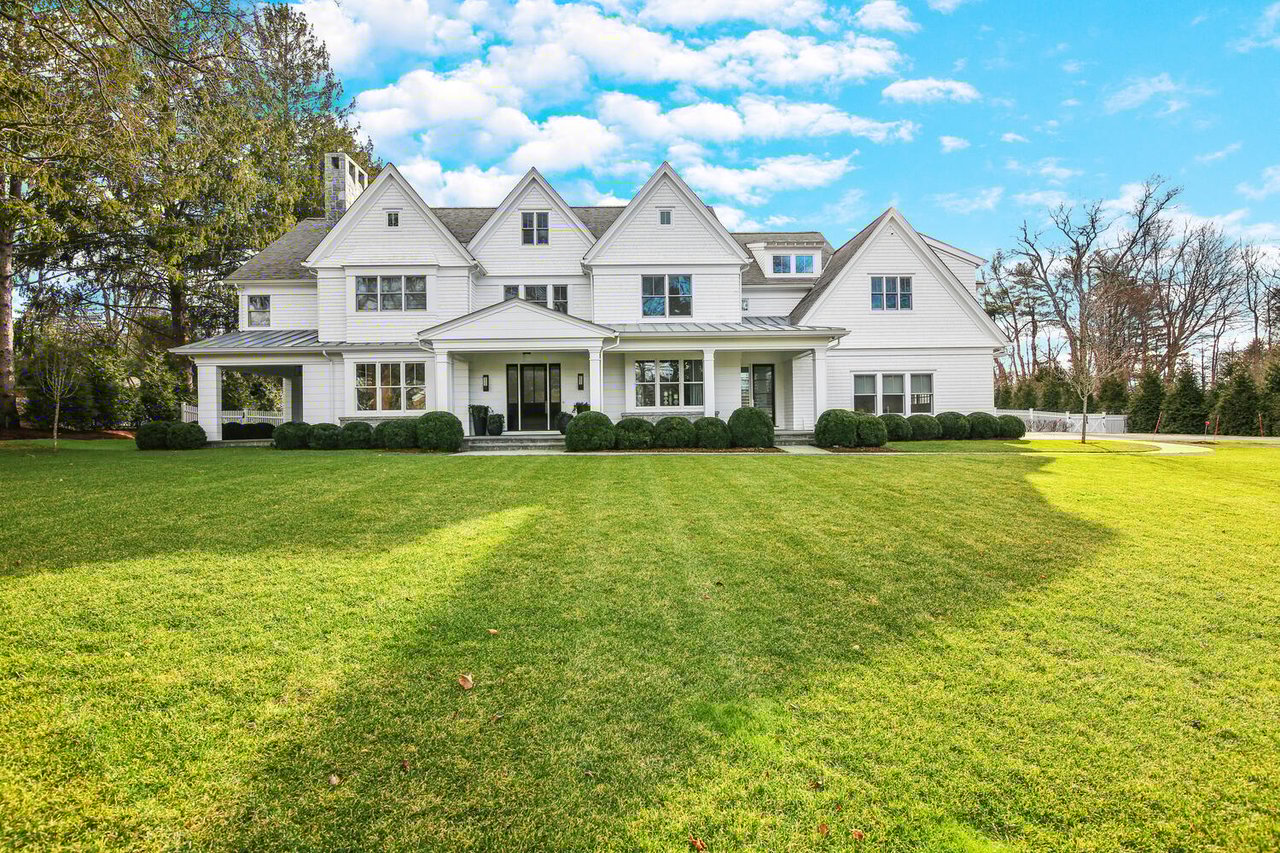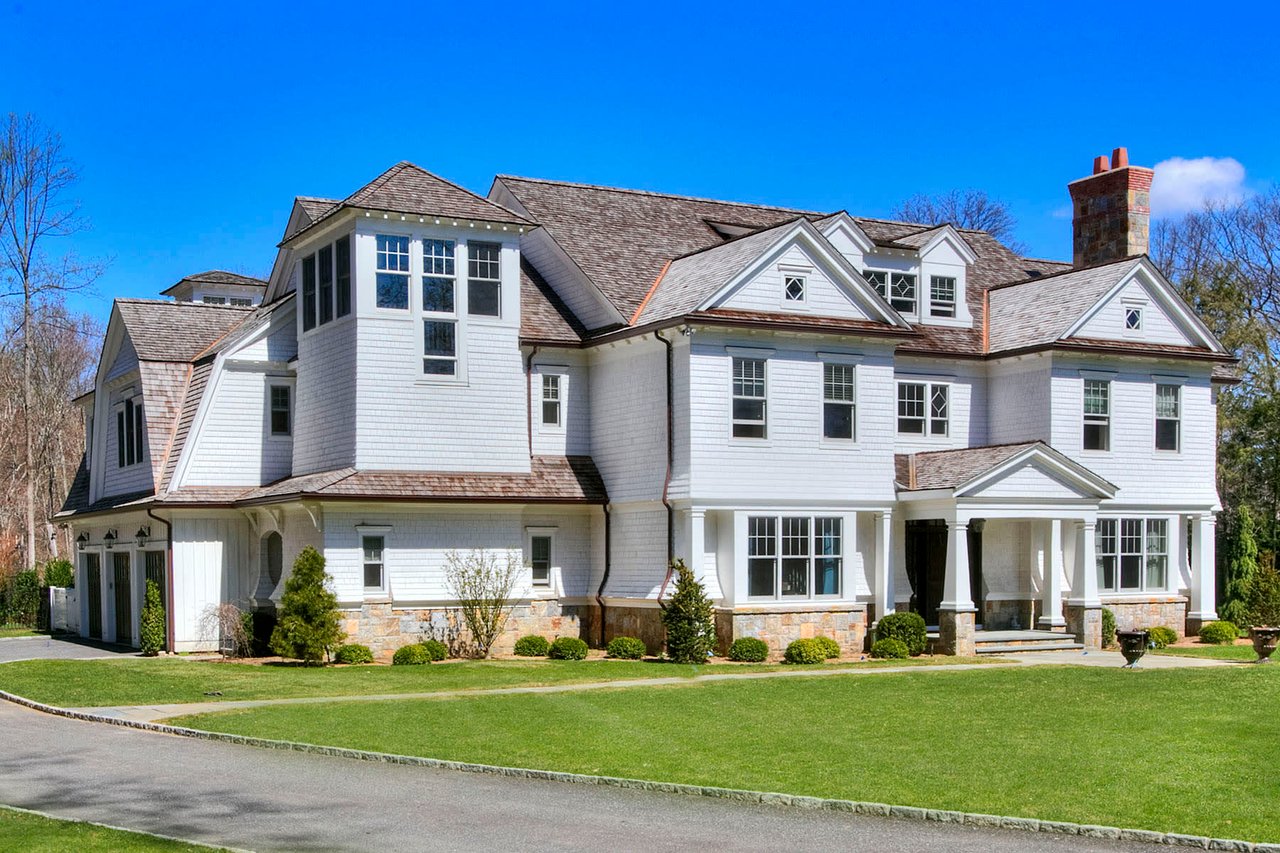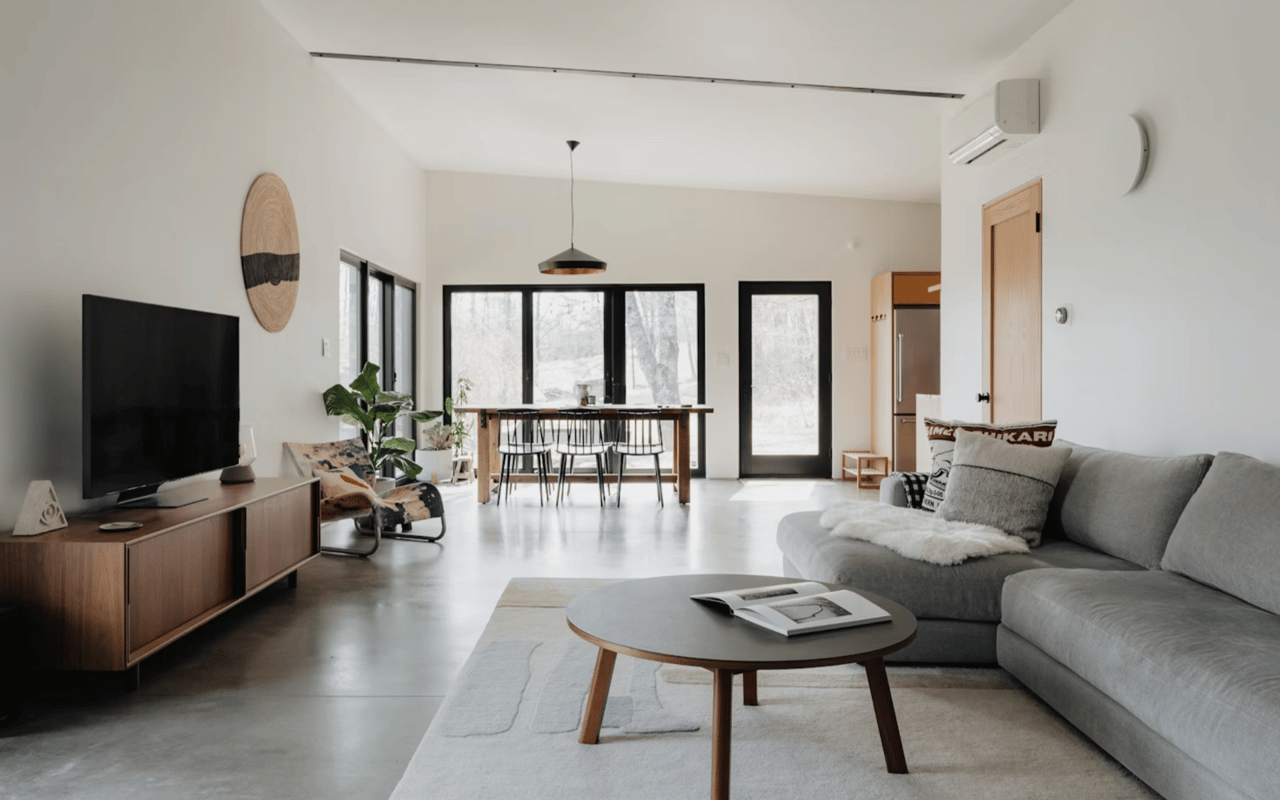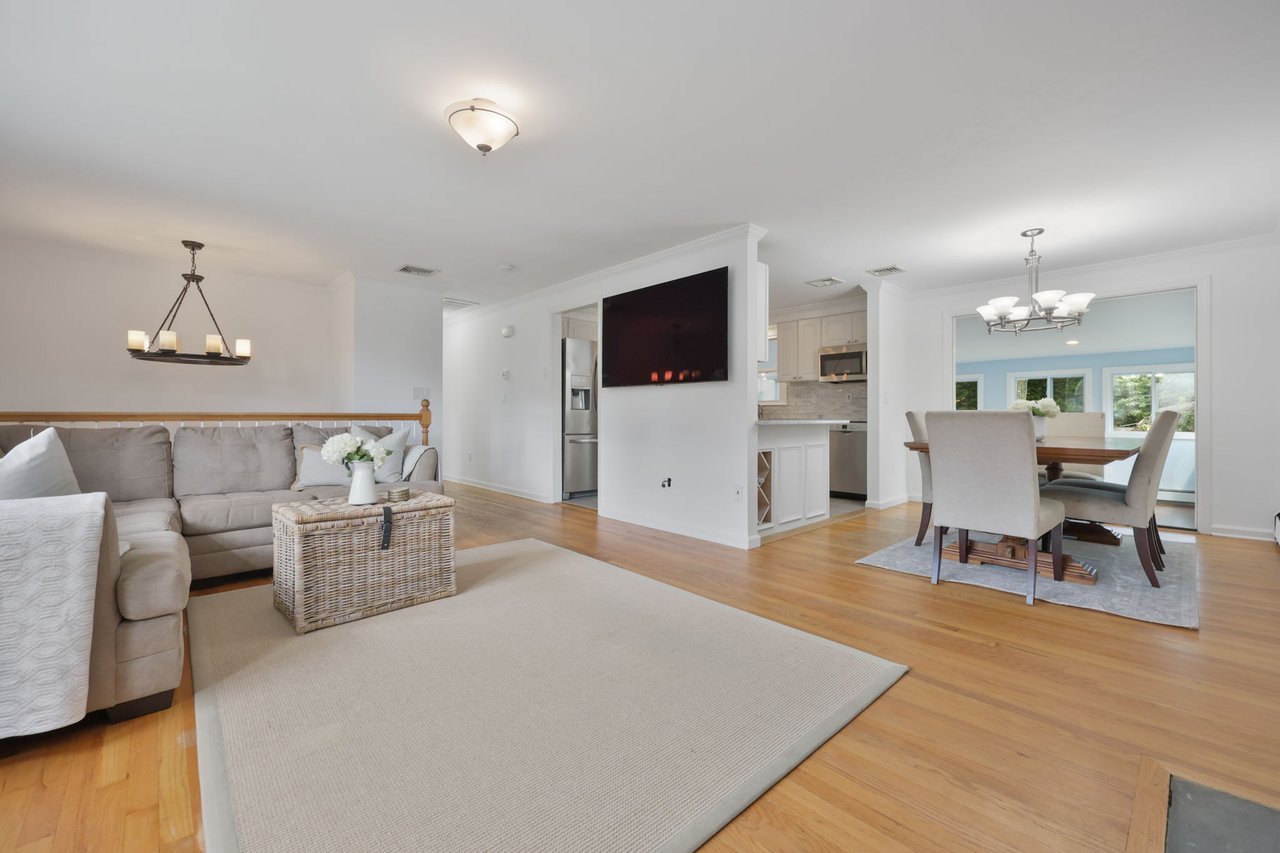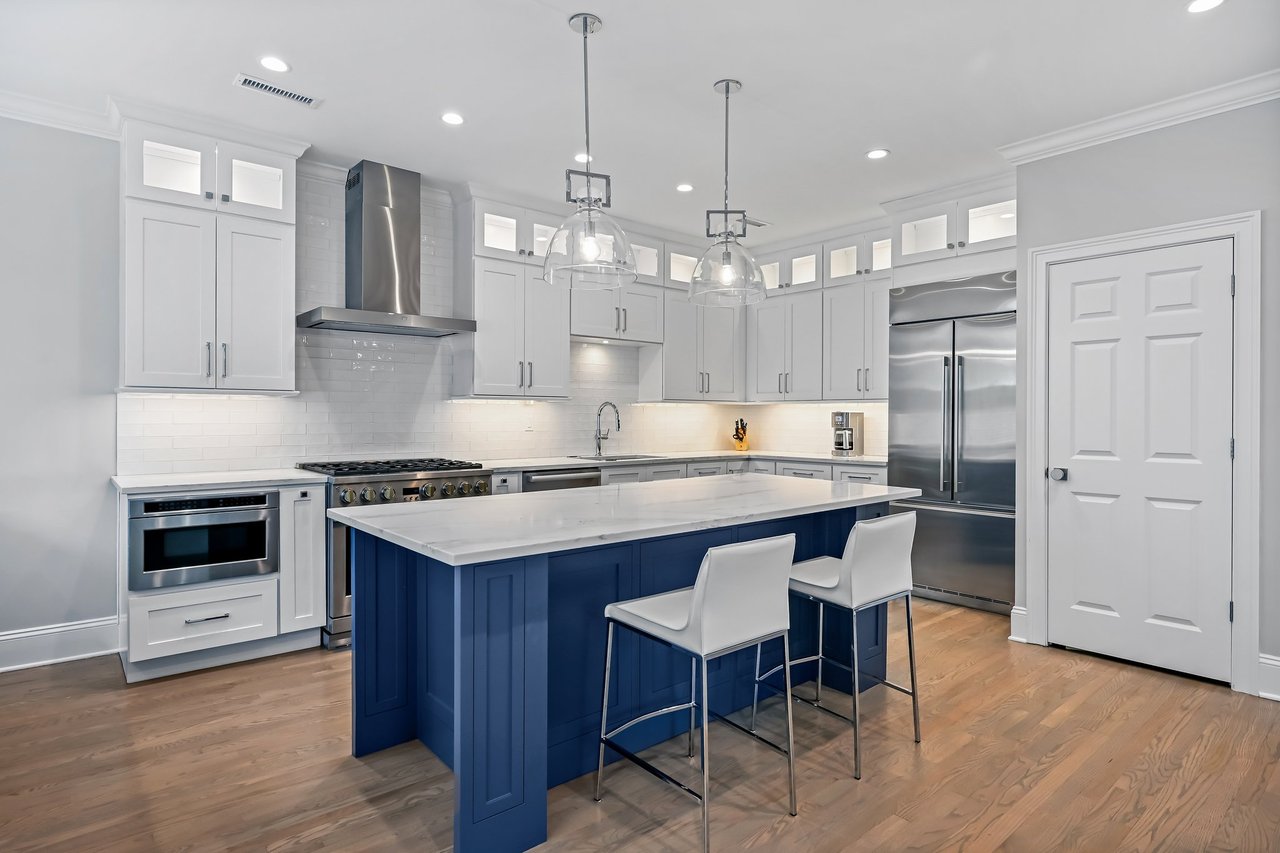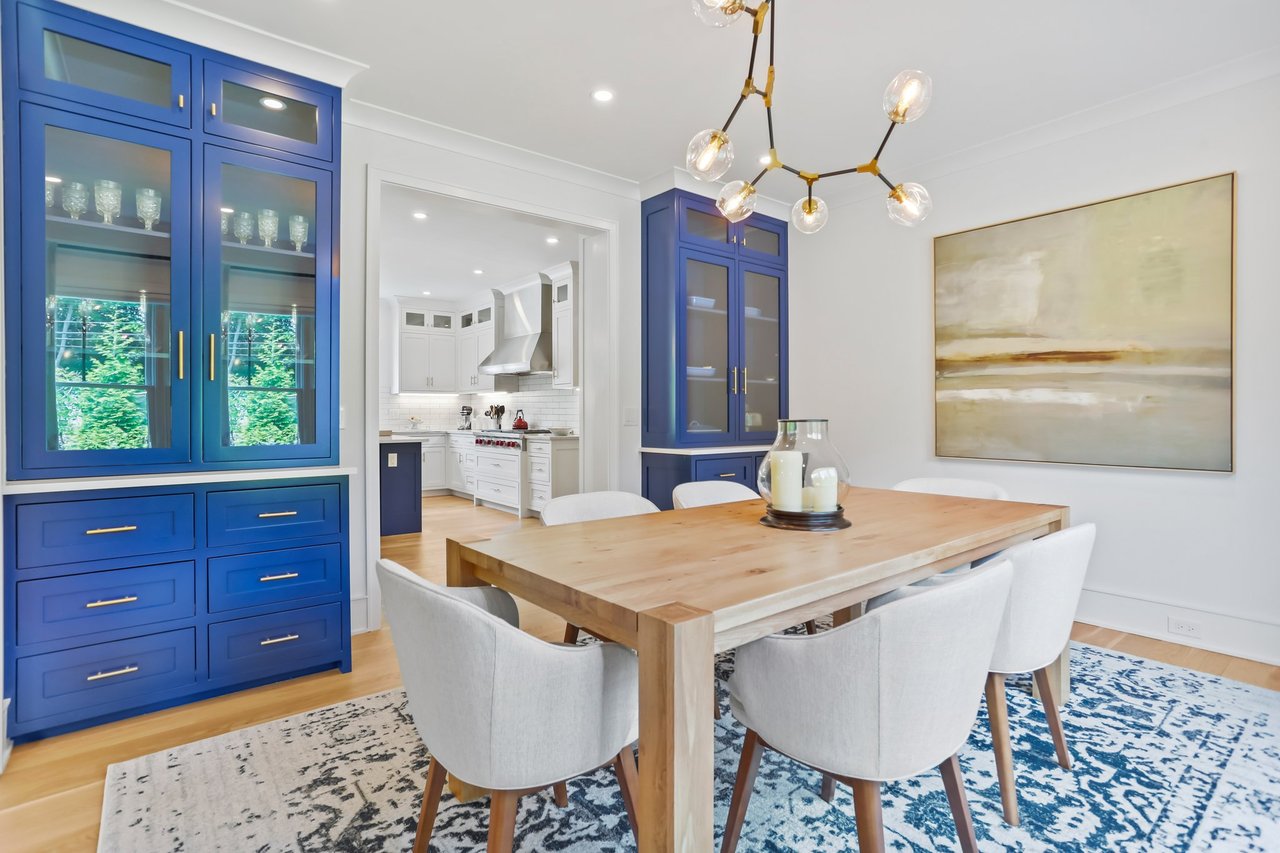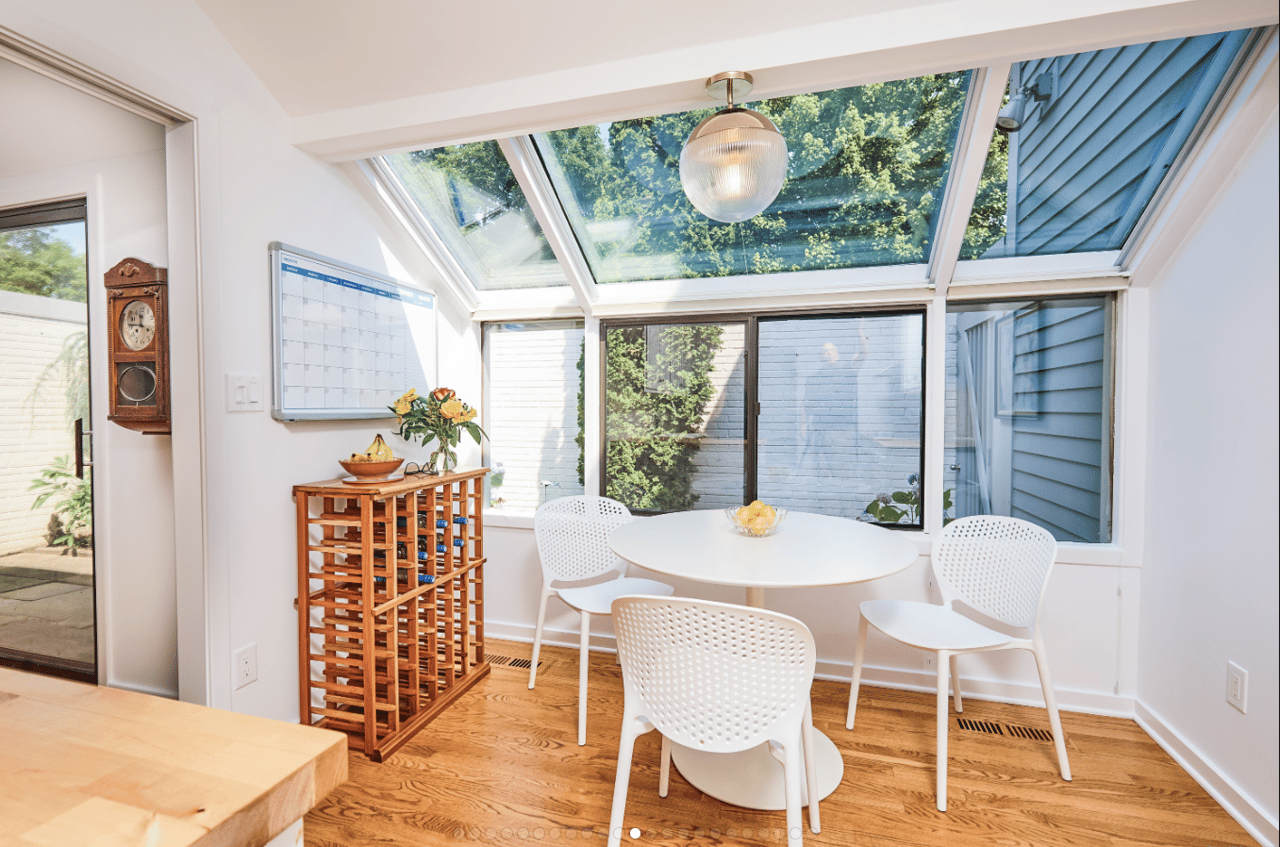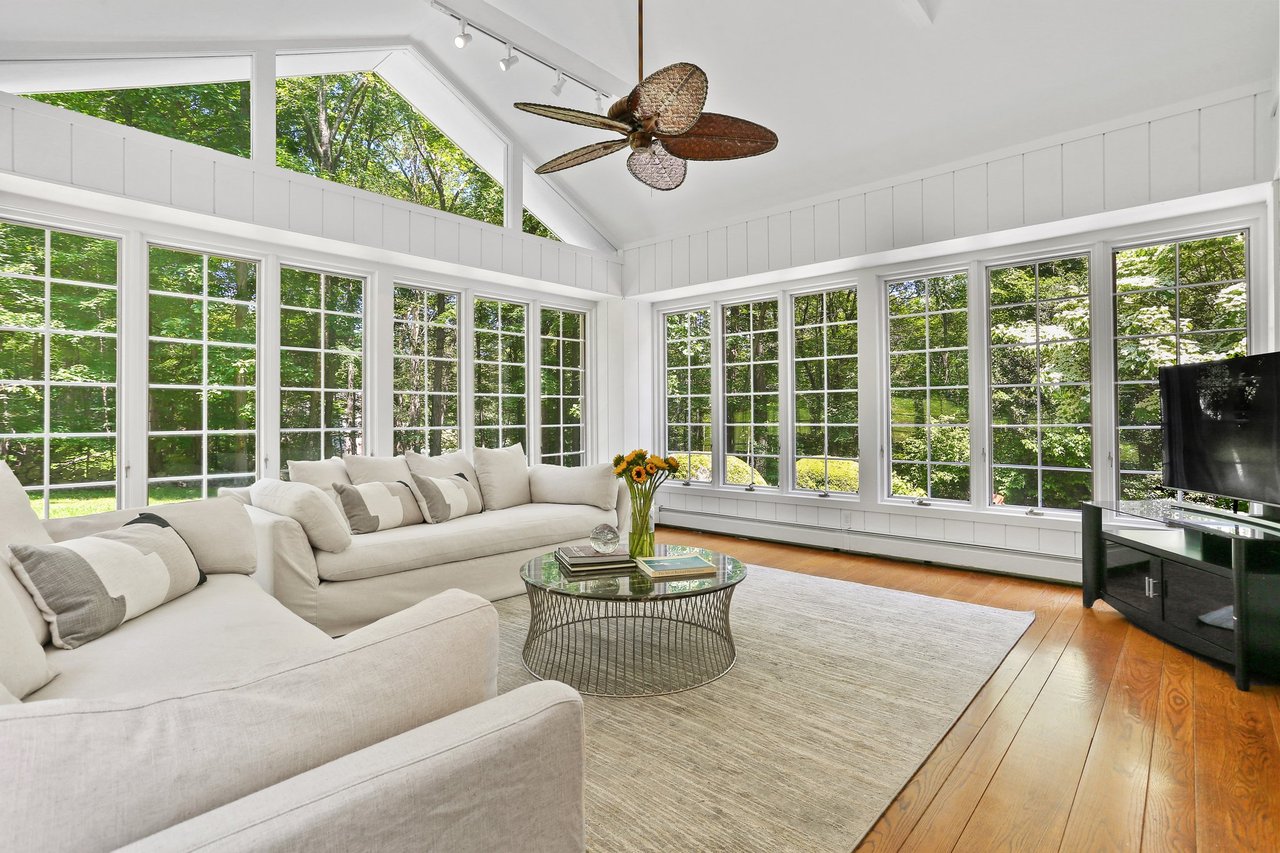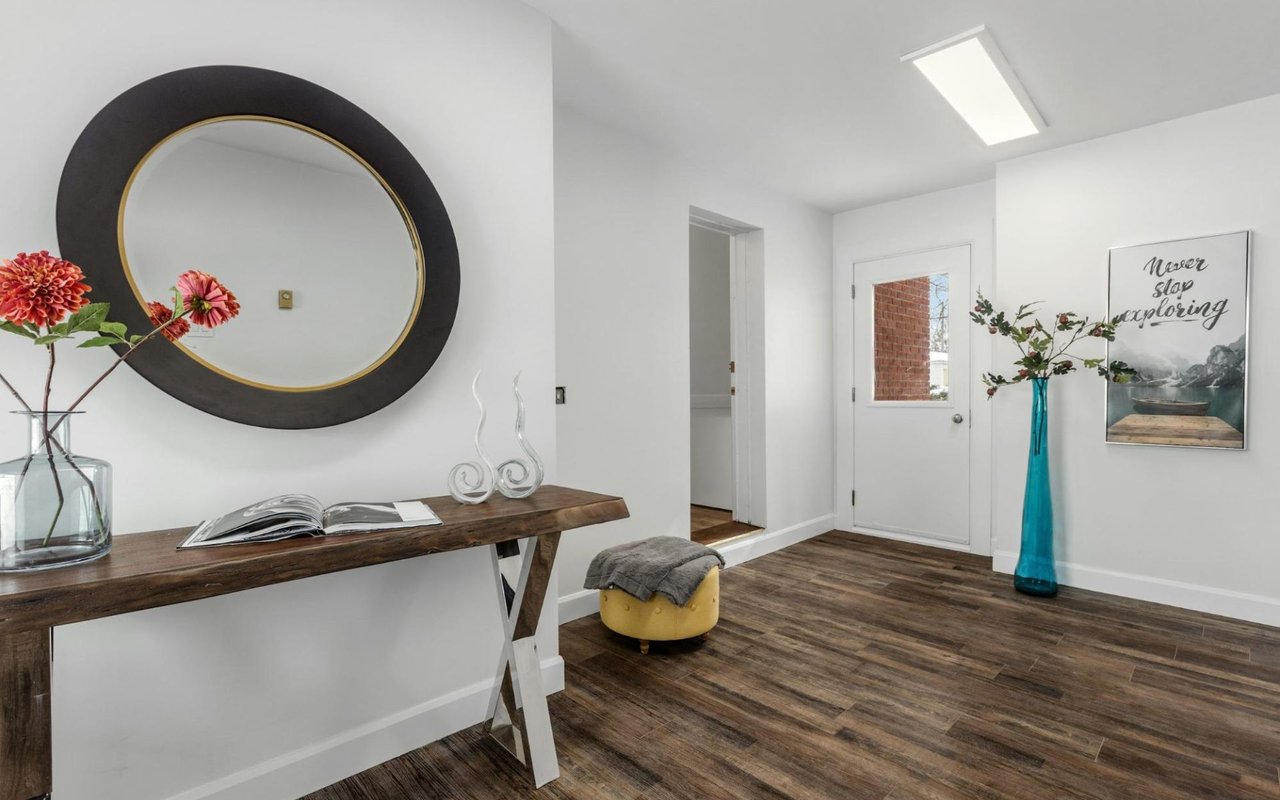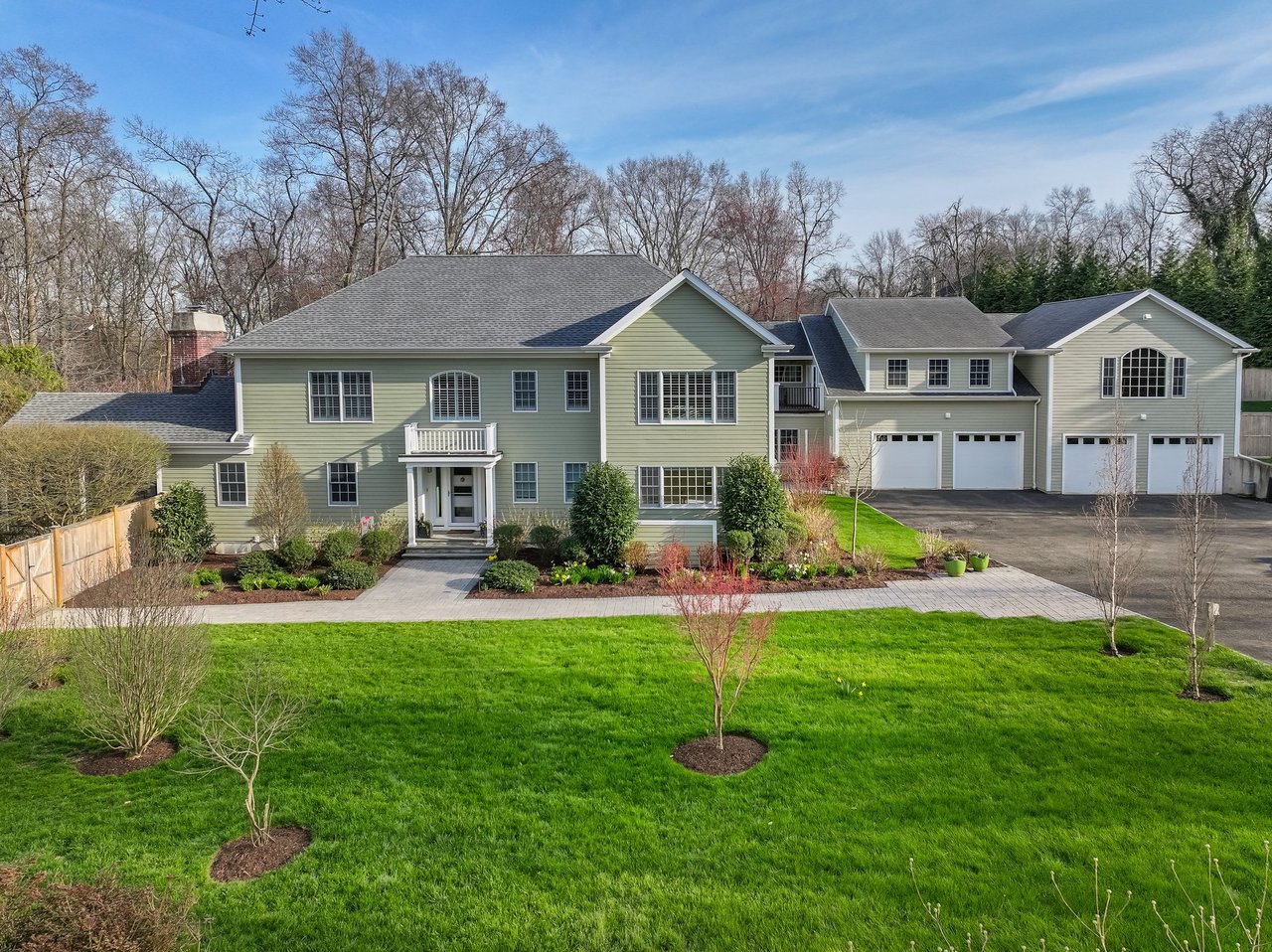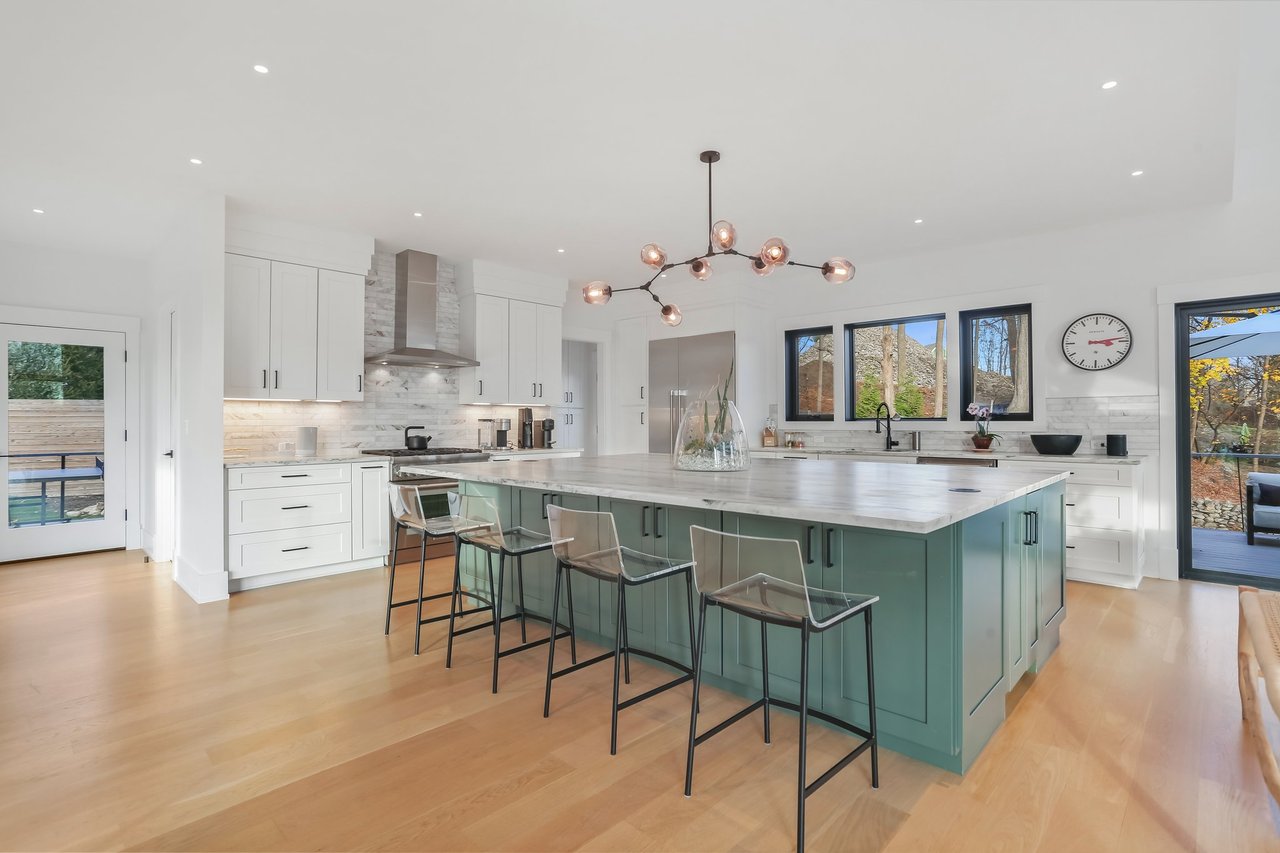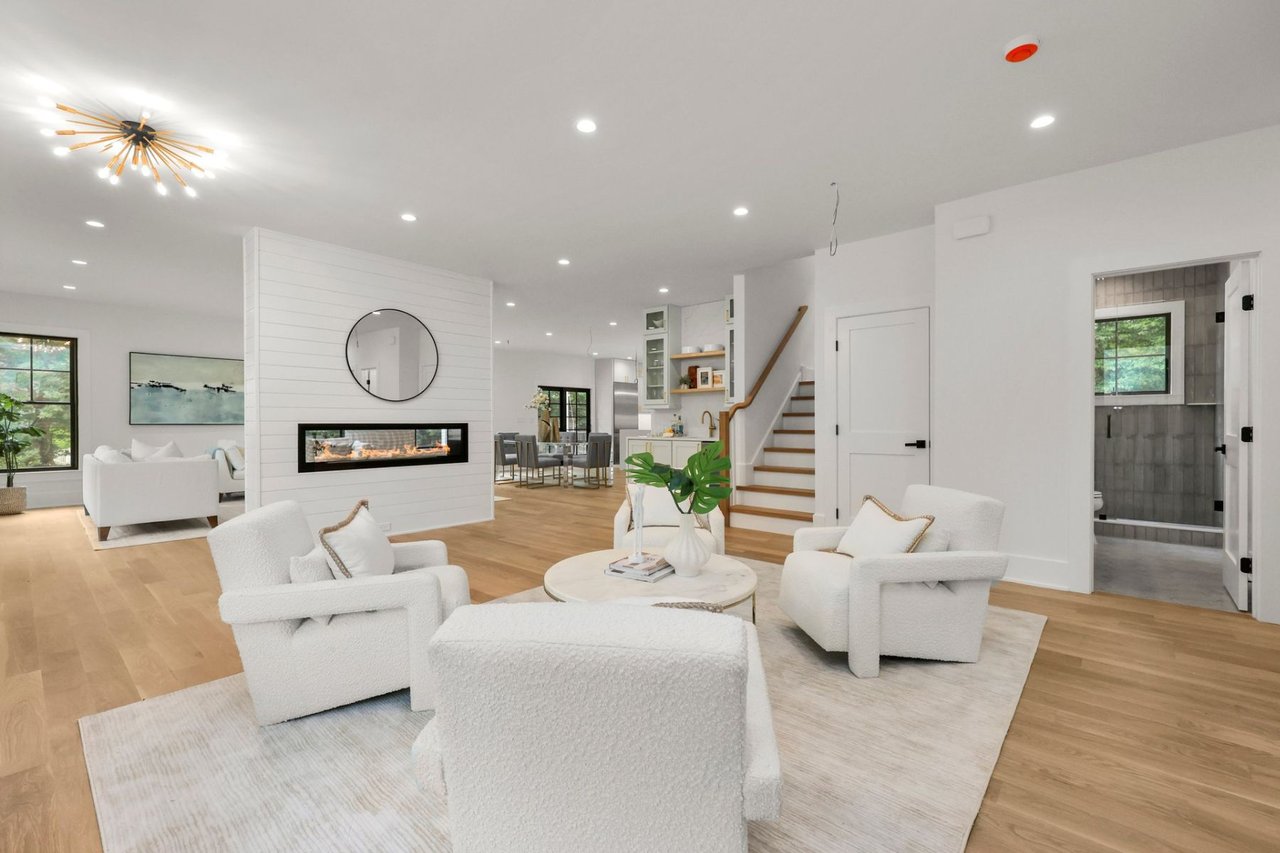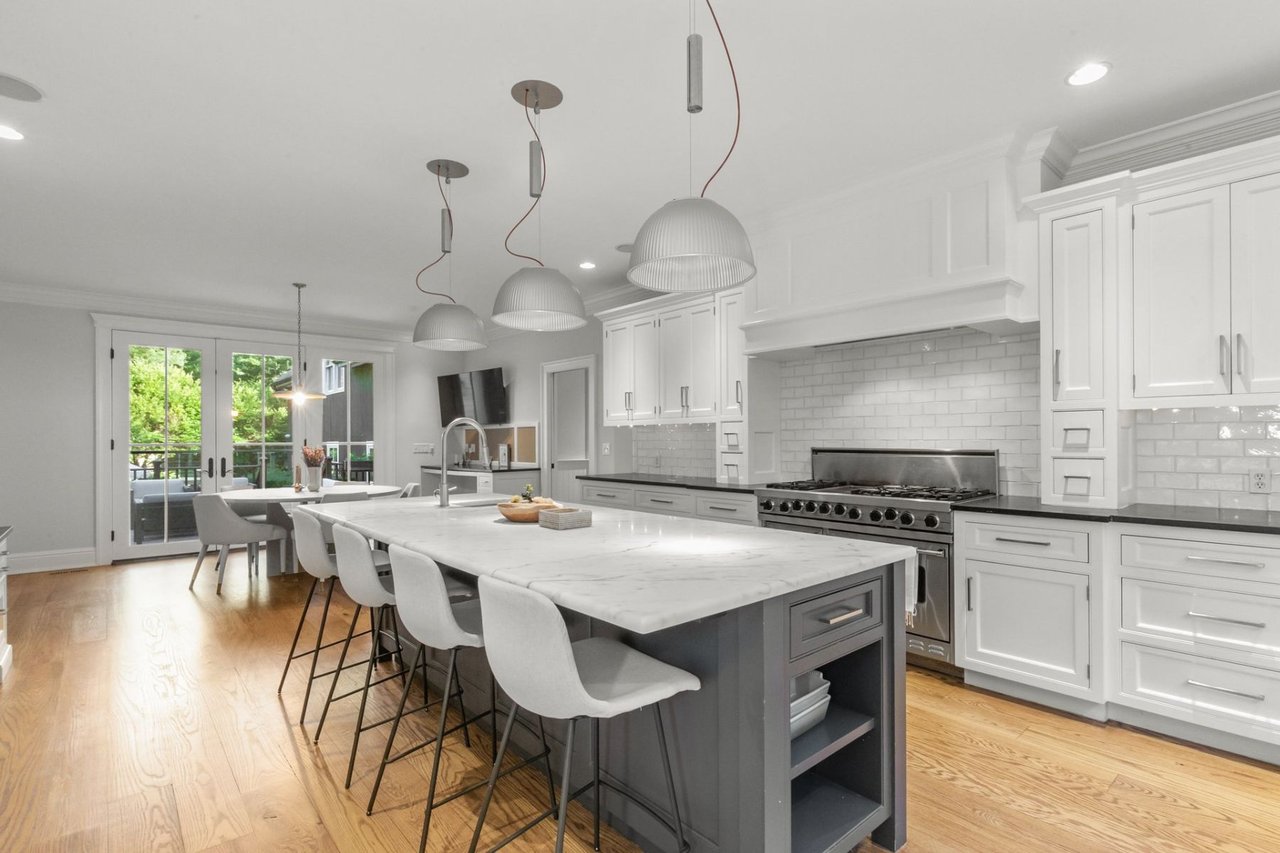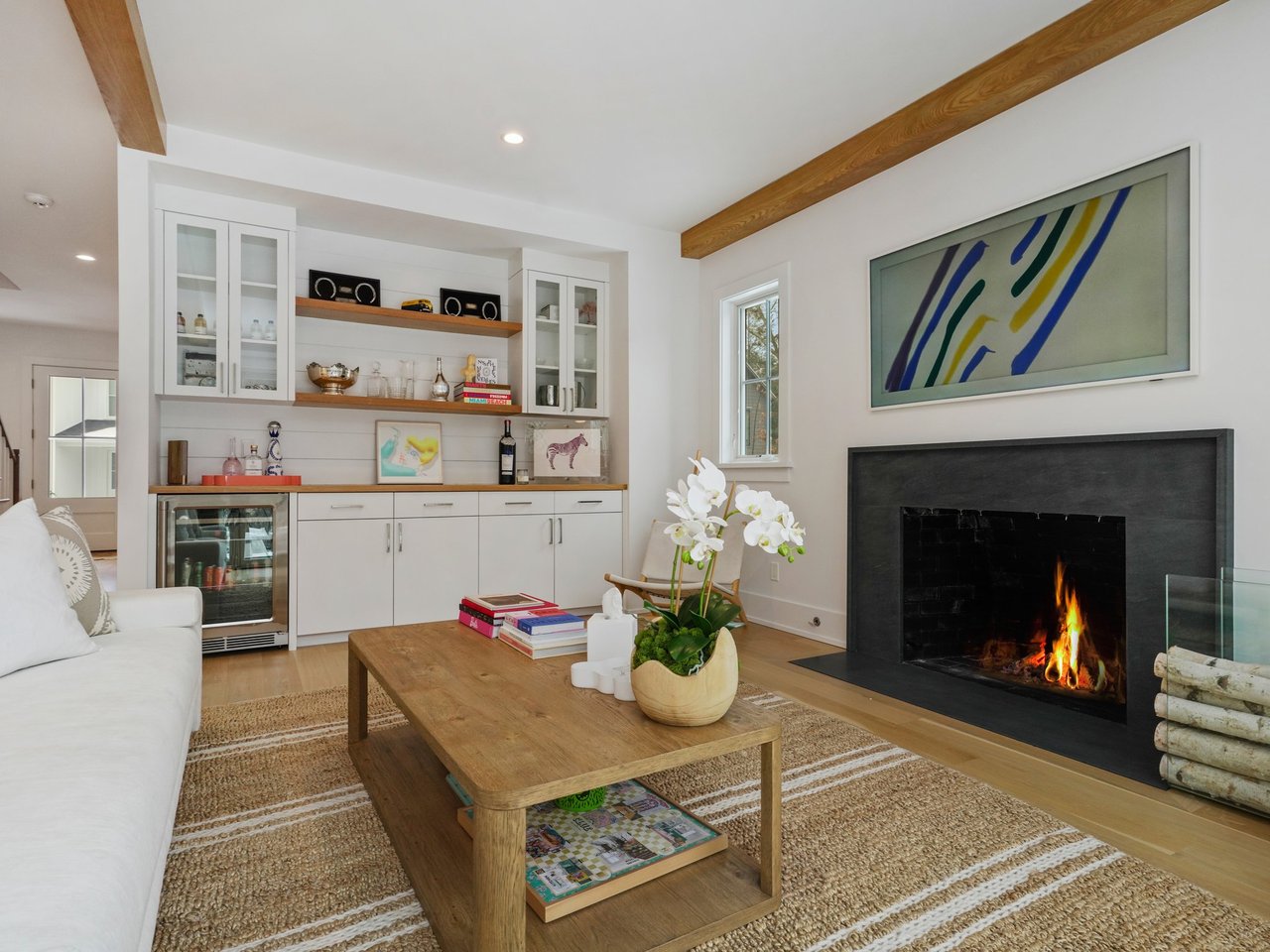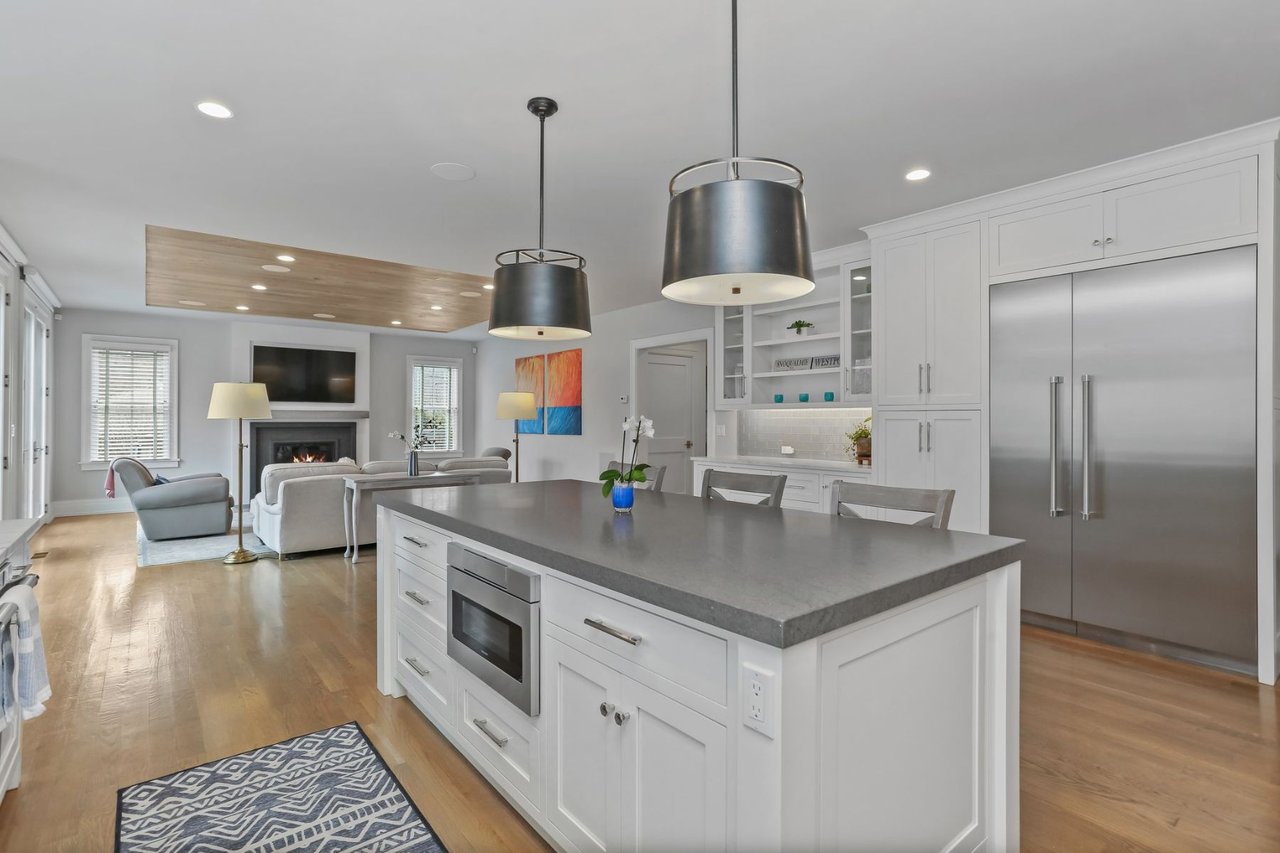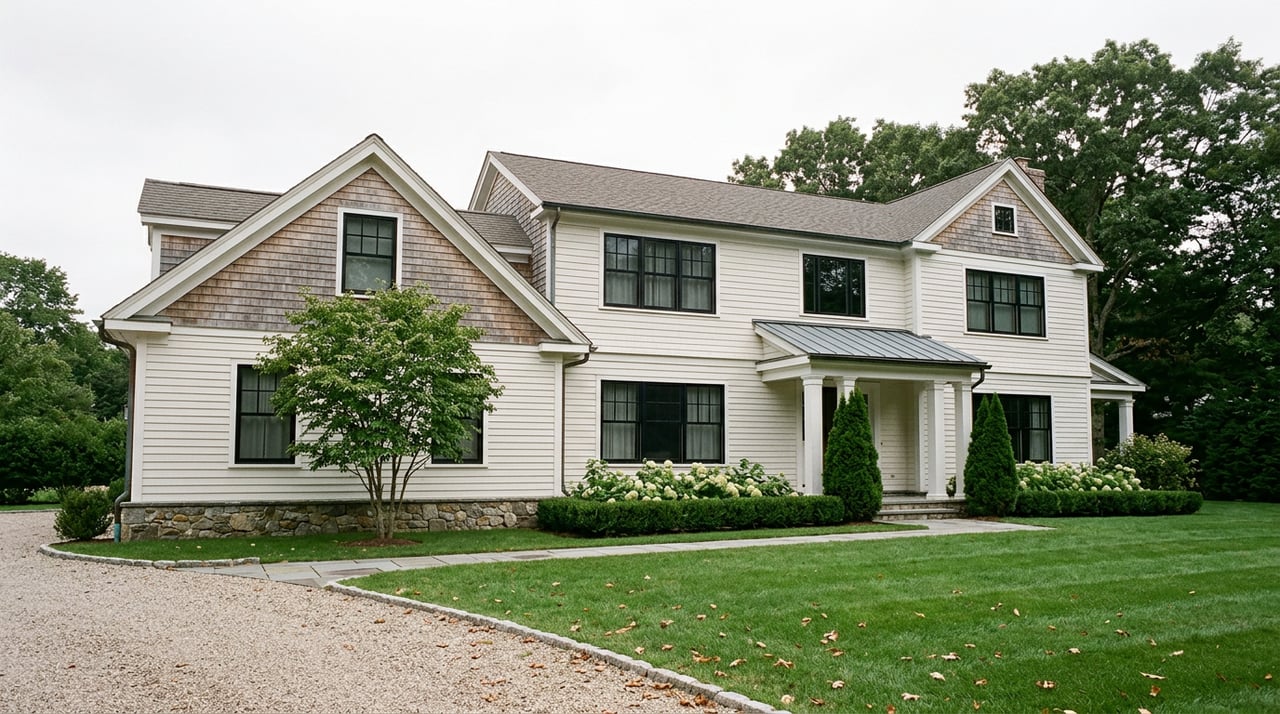
On July 8, 2026, a five-bedroom colonial at 13 Rockyfield Road closed for $3,925,000. Built in 2006 with 7,409 square feet, it worked out to $530 a square foot, two percent under its asking price after nineteen days on the market. Ten weeks earlier, on May 1, 2026, a three-bedroom home built in 1965 near Coleytown Middle School closed at $1,675,000 for 1,848 square feet, or $906 a square foot, after forty-six days on the market and one percent under list.
Same school zone. Same town. Same year. The price per square foot on the smaller home was seventy percent higher than the price per square foot on the larger one.
If you've been quoted a "Coleytown median" by a portal or an agent, this is the number that quote is averaging away. And in 2026, that median has been an unusually unreliable guide, because different trackers pulled at different points in the year have reported Coleytown's trailing twelve-month figure anywhere from $1,850,000 to $2,365,000. That's not a market swinging wildly month to month. It's a small, uneven pool of closings getting sliced by different date windows, with a handful of large or small transactions pulling the number in whichever direction they happen to fall.
Two Housing Stocks, One Zip Code
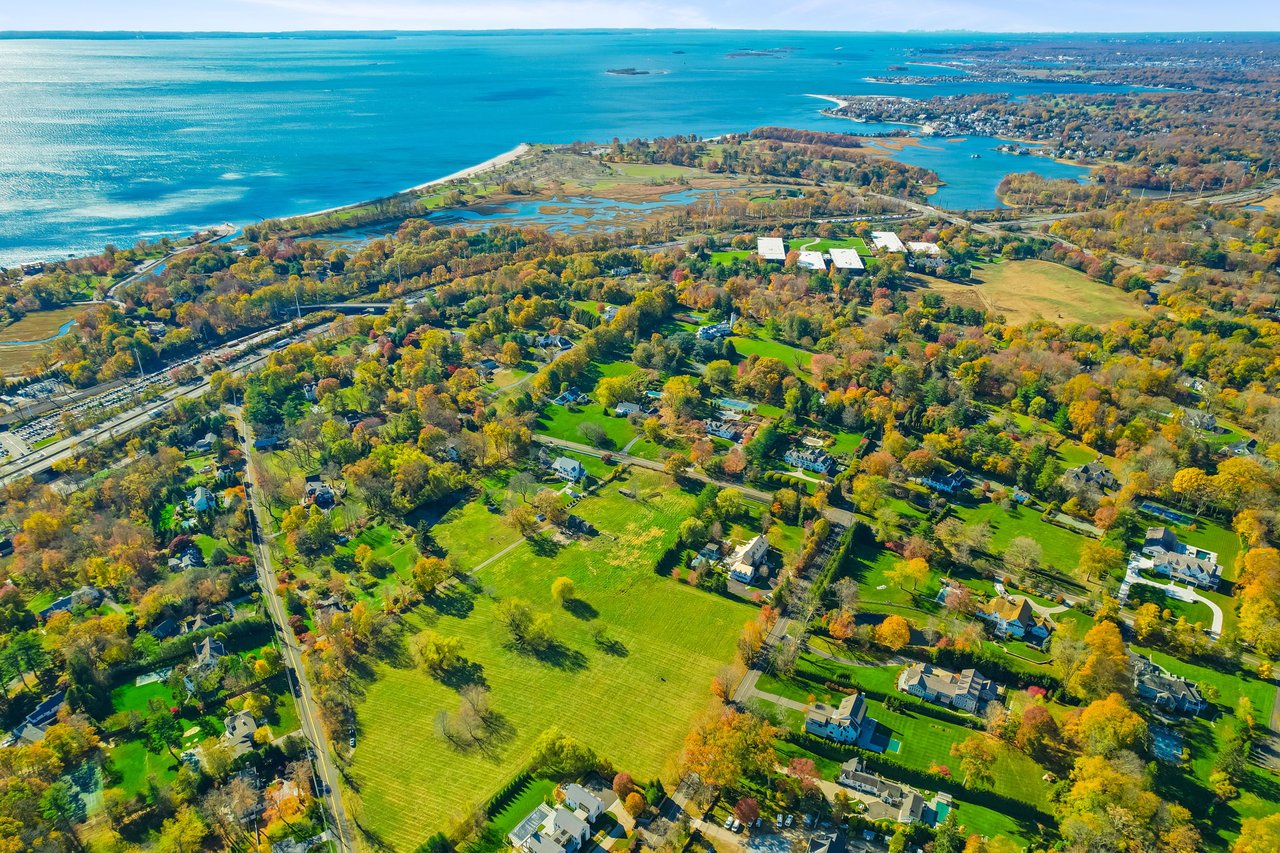
Coleytown sits at the northern edge of Westport, bordering the Weston town line. The land has a specific history that explains why its housing stock splits the way it does. For more than two centuries, the Coley family farmed this ground, using water from the Aspetuck River to grow flax, corn, and onions, and running a mill that processed grain for shipment to New York and Boston. When that farmland eventually subdivided into residential lots, it left behind two very different kinds of parcels: large, irregular former-farmland tracts that can absorb a big footprint without feeling crowded, and smaller, tighter lots closer to the old village center and the schools.
That split still shows up in what gets built and sold today. A buyer purchasing new construction or a substantial rebuild on one of the larger legacy lots is paying, in effect, for land and volume, which pulls the price per square foot down even as the total price climbs into the millions. A buyer competing for one of the smaller homes near Coleytown Elementary or Coleytown Middle School, where inventory turns over constantly and lots rarely exceed half an acre, is paying a scarcity premium on every square foot because there simply isn't more house to spread the price across.
This is the mechanism the median hides. It isn't that Coleytown got more expensive or less expensive between those two closings. It's that "Coleytown" describes two different products being sold to two different buyers, and averaging them together produces a number that describes neither.
What the Rest of Westport Is Charging
The same math looks different once you set Coleytown next to its neighbors. In the opening quarter of 2026, Westport's neighborhood-level closings broke down this way:
| Neighborhood | Median Price | Closings | Days on Market | Price per Sq Ft | Sale-to-List | Odds of Selling |
|---|---|---|---|---|---|---|
| Coleytown | $2,535,000 | 45 | 49 | $532 | 101.3% | 88.4% |
| Old Hill | $2,391,250 | 26 | 38 | $560 | 102.6% | 85.2% |
| Long Lots | $2,857,500 | 48 | 39 | $547 | 103.3% | 88.7% |
| Saugatuck | $2,045,000 | 22 | 50 | $695 | 100.8% | 73.8% |
| Greens Farms | $2,470,000 | 34 | 51 | $781 | 99.6% | 73.7% |
Compo Beach, Westport's waterfront benchmark, posted the highest price per square foot in town at $848, reflecting the premium buyers pay simply to be near the water. In-Town ran the hottest sale-to-list ratio in the same period, at 107.1 percent, meaning homes there were regularly closing above asking.
Set against that table, Coleytown's blended $532 per square foot is the cheapest of the group, cheaper even than Long Lots despite a lower median price, and less than half of what buyers were paying per square foot in Saugatuck or Greens Farms. Its odds of selling, at 88.4 percent, were also among the strongest in town, meaning listings here weren't just cheap per foot, they were closing.
But that $532 figure is a blend of the Rockyfield Road type of sale and the Spriteview Avenue type of sale. A buyer shopping for the large-lot, new-construction end of Coleytown is genuinely getting more space for the money than almost anywhere else in Westport. A buyer competing for one of the smaller cottages near the schools is paying a price per square foot closer to what Saugatuck or Greens Farms buyers pay, just wrapped in a smaller total number that looks like a bargain until you divide it out.
Why This Matters More Right Now
Westport as a whole was still running tight heading into fall. At the end of August 2026, housing supply in town sat under three months, and homes were averaging roughly thirty days from list to contract, with more than ninety percent of listings closing within ninety days. That's not a market where a buyer has room to misjudge which segment of Coleytown they're actually bidding into. If you walk into a showing expecting Rockyfield Road economics and the house in front of you is a Spriteview Avenue type, you'll either overpay relative to the comp set you had in mind or lose the house to someone who understood the difference before the offer deadline.
Sellers face the same problem in reverse. Listing a smaller Coleytown home and pricing it against the neighborhood's blended median risks leaving money on the table, since the comparable sales that should set the price are the other small, tight-lot homes near the schools, not the new-construction colonials on the old farmland. Listing a large rebuilt lot and pricing it against the smaller homes' per-square-foot rate risks scaring off buyers who came in expecting Coleytown's value proposition, which is square footage, not scarcity.
What This Means If You're Shopping Coleytown
A few practical takeaways follow from the split:
- Ask what the lot looked like before the house was built, not just what the house looks like now. A rebuild on a former farmland parcel and a rebuild on a subdivided in-fill lot will price very differently per square foot even if the finishes are identical.
- Compare price per square foot within the same lot-size tier, not against the neighborhood median. A 7,000-square-foot new build should be measured against other large-format Coleytown sales, not against a three-bedroom cape from the 1960s.
- Treat the neighborhood's overall $532 per square foot figure as a starting point for negotiation strategy, not a target price. It tells you Coleytown is cheaper than Saugatuck or Greens Farms on average. It does not tell you what any specific house should cost.
- Watch the calendar as much as the comps. With supply under three months townwide and most homes closing within ninety days, the gap between recognizing which Coleytown you're buying and acting on it can be measured in weeks, not months.
Coleytown still reads, day to day, as the neighborhood most people describe it as: tree-lined, quiet, zoned to Coleytown Elementary, Coleytown Middle School, and Staples High School, with the Newman-Poses Preserve trails, the Aspetuck Valley and Patterson country clubs, and the golf, pool, and tennis courts at Longshore all within a short drive. The Porch at Christie's stays busy for breakfast and lunch, and grocery runs are easy with Lily's Weston Market, Trader Joe's, The Fresh Market, and Whole Foods all within five miles. None of that changes depending on which type of house you buy. What changes is the math underneath the number on the listing sheet.
Frequently Asked Questions
Is Coleytown actually a good value compared to the rest of Westport? On a blended basis, yes. Its price per square foot was the lowest among the neighborhoods tracked in the first quarter of 2026, well below Saugatuck, Greens Farms, and Compo Beach. Whether that value applies to a specific house depends on which of the two lot types it sits on.
Why do different sites report such different median prices for Coleytown? Coleytown's closing volume is modest enough, around 45 sales in a typical quarter, that a handful of unusually large or small transactions can shift a trailing twelve-month median noticeably depending on exactly when the window was pulled. That volatility is a feature of small sample sizes, not a sign the market is unstable.
Does a lower price per square foot always mean a better deal? Not on its own. It usually reflects more land and a larger footprint, which suits a buyer who wants space. A buyer prioritizing walkability to the schools or a smaller footprint to maintain may be better served by the higher-per-foot end of the neighborhood, even though it looks less efficient on paper.
If you're weighing a Coleytown listing and want to know which side of that split it falls on before you write an offer, The Riverside Realty Group can walk the comps with you street by street. Book an appointment and we'll bring the right set of numbers to the table.