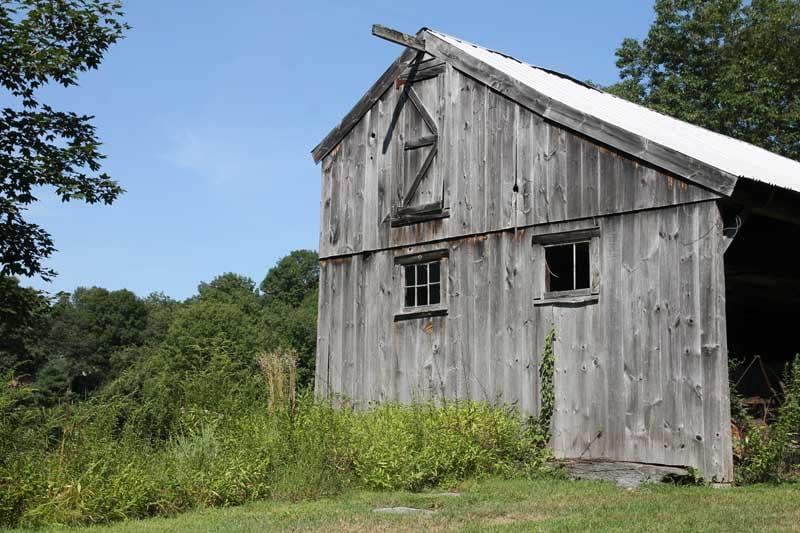
Friday evening, last Friday of the month, and the lower lot off Godfrey Road West is already filling with cars angling for a spot near the barn. Someone's kids are chasing each other around the hayrack. A neighbor you half-recognize from the transfer station is buying sourdough from a folding table. This is the Lachat Farmers Market, and if you've lived in Weston more than a season, you already know the shape of it: food trucks, a fiddle or a folk trio, tokens instead of cash at the vendor tents. What most people walking past the barn on a Friday night don't know is what's sitting just beyond it, and what it took to get there.
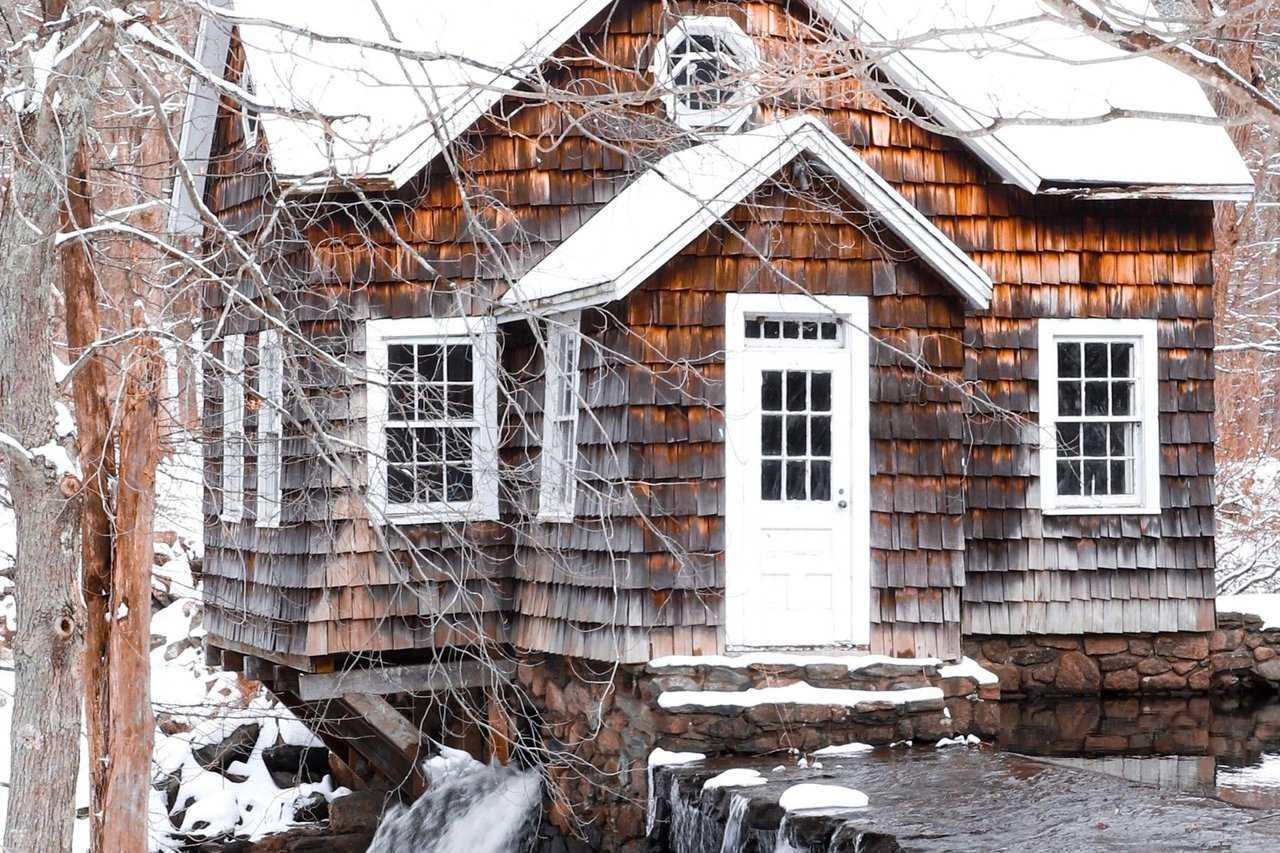
That building is the Daniel E. Offutt III Education Center. Around the farm, people have shortened it to "The O.C." It opened in 2023 after what First Selectwoman Samantha Nestor called, at the ribbon cutting, a 15-year transformation of what had been an essentially abandoned farm, as reported by Weston Today. The market is the part of Lachat everyone in town has been to. The Center is a newer part of Lachat’s story, built through a separate mix of funding.
How the Farm's Operations Are Funded
Here's the detail that changes how you should read every event flyer that comes out of Lachat: the farm's operation isn't paid for out of Weston's town budget. According to the Weston Historical Society, the nonprofit Friends of Lachat runs the programs that finance the property's operation, because the farm itself isn't a budget line item. That distinction matters more than it sounds. It means the Friday market, the Music in the Meadow concerts, the tai chi sessions and the knitting circle aren't civic amenities the town pays for and residents simply use. They're the fundraising engine, run almost entirely by volunteers, that keeps a 42-acre property functioning.
The land itself came from Leon Lachat, who in 1997 left his working farm on Godfrey Road West to the town and to The Nature Conservancy. A 2011 lease split the property in two: the Conservancy manages the wooded acreage that borders its Devil's Den preserve, and the town leases the front meadow, including the 1770s farmhouse and dairy barn that most people picture when they think of Lachat. That farmhouse was restored roughly a decade before the Education Center broke ground, according to the farm's own building FAQ. Weston had a restored historic house and a barn. It didn't have anywhere indoors to run a class in January.
What It Took to Build the Second Building
The fix was the Offutt Center, and the way it got funded is the part of this story worth knowing even if you've never taken a class there. Friends of Lachat secured a $2 million pledge from the estate of Daniel E. Offutt, with an additional $1 million in matching funds contingent on the community raising its own share by a June 30 deadline. The town chipped in $100,000 in ARPA funds toward that match, an allocation residents approved directly, and Friends of Lachat closed the gap with donations before the deadline. The match was met. The building went up.
At the ribbon cutting, Friends of Lachat executive director Anita Dinwoodie emceed while Richard Orenstein, trustee of the Offutt charitable trust, and architect Rob Sanders spoke alongside Lachat Town Farm Commission chair Kat McConnaughey. Friends of Lachat president Carol Baldwin, who led the volunteer effort alongside Ellen McCormick, called the day "a lovefest," as Weston Today reported. Nestor's line about a 15-year transformation wasn't ceremonial filler. It was the timeline for turning a property most of the town had stopped thinking about into what she called Weston's crown jewel, as Weston Today reported.
"People who care and give without a selfish intent" is how Baldwin described the volunteers who got the Center built, at a ribbon cutting preceded by a pancake breakfast for hundreds of residents, according to Weston Today.
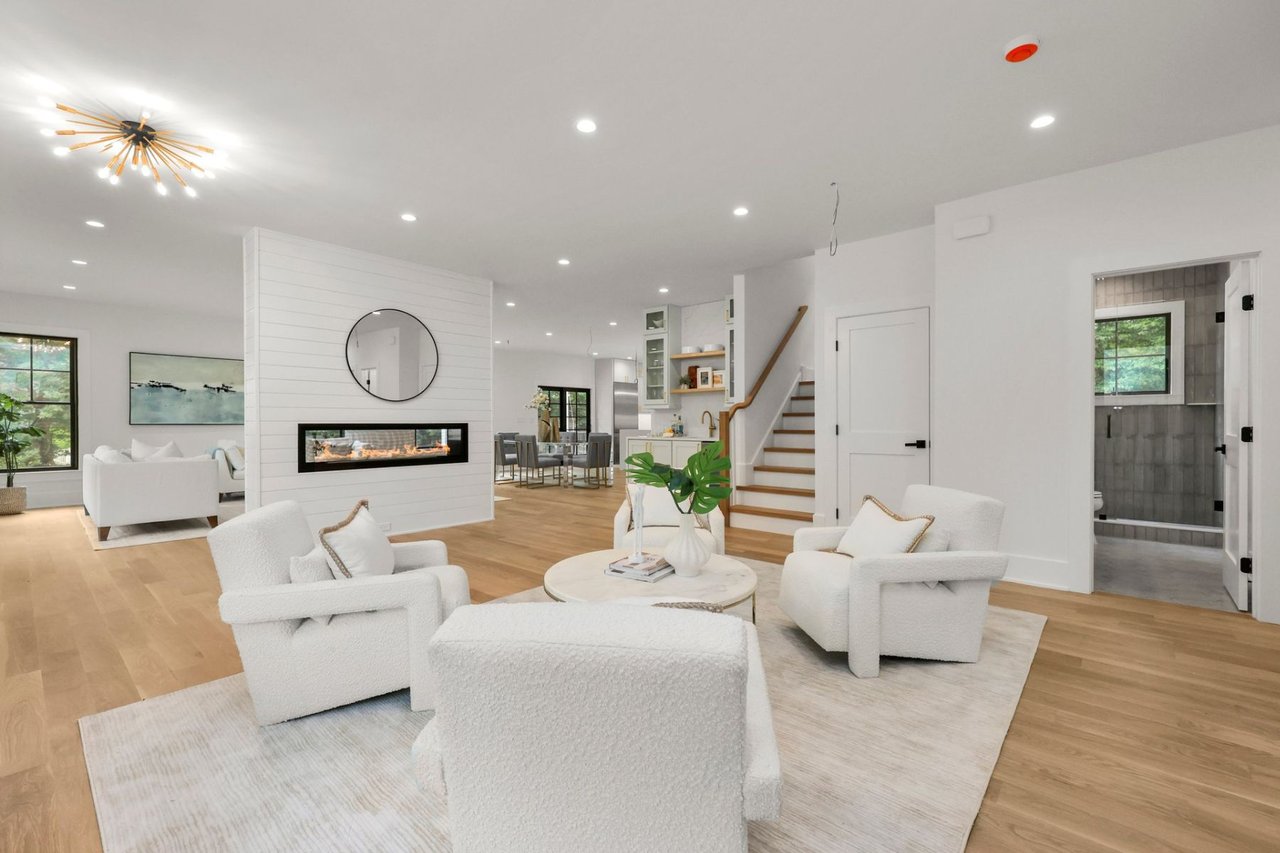
What the Center actually contains explains why the fundraising mattered as much as it did. There's a gathering space with a stone fireplace, a demonstration kitchen built to commercial code so cooking classes can let participants taste what they make, an art studio with views into the field, and public restrooms the farm had lacked for years. None of the programming inside is loud enough to bother neighbors. The kitchen won't be rented out for private events either. The Commission ruled that out early.
The Market as the Public Face of All of That
Once you know the funding structure, the market reads differently. It isn't a seasonal amenity that happens to occur at Lachat. It's the most visible fundraising and community-building event the nonprofit runs, timed to the last Friday of the month from June through September, 4 to 8 p.m., with the 2026 season closing out on September 25.
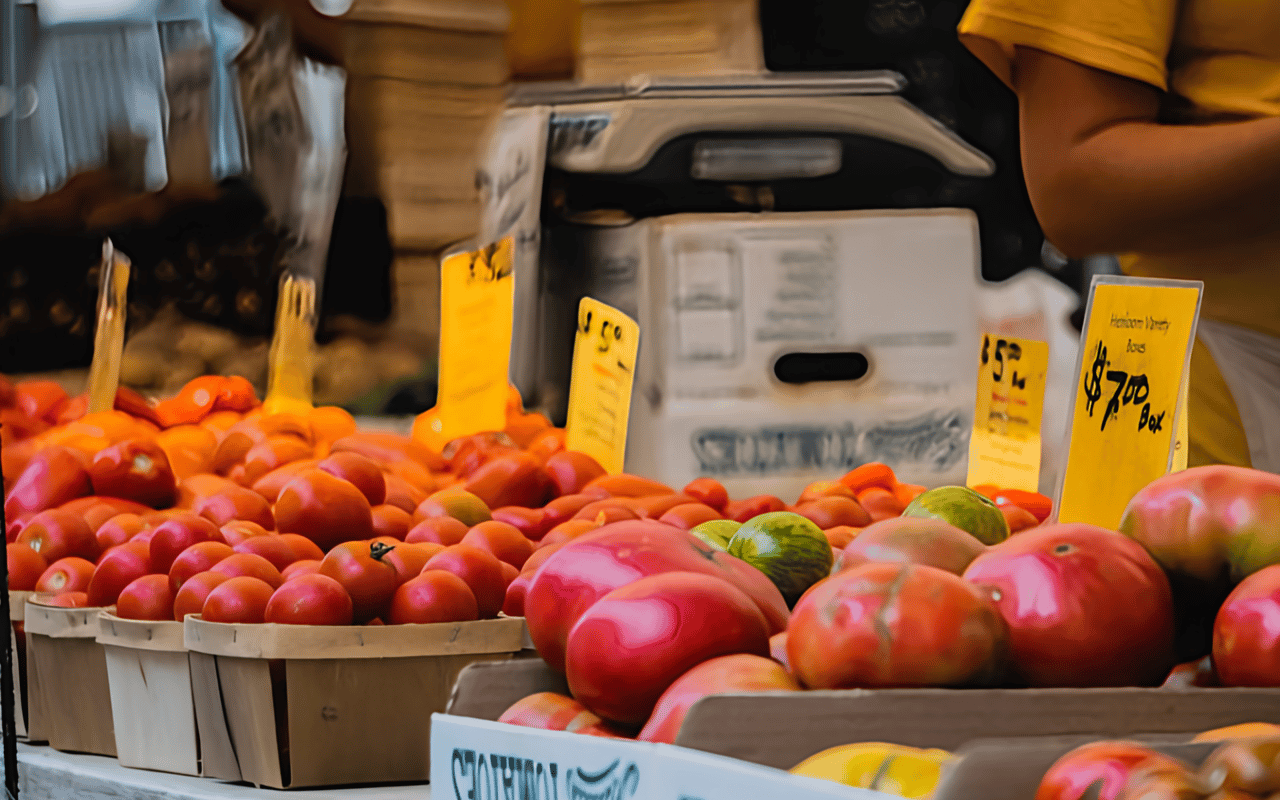
The mechanics are unchanged from past seasons and worth knowing if you haven't been recently. Reserving a spot in the lower lot at 106 Godfrey Road runs $20, refunded in tokens good at vendor tents, though not at the food trucks, the Barn Bar, or for farm merchandise. The upper lot at 1 Ladder Hill Road South is free and first come, first served. A $10 Children's Area, staffed by volunteers, includes crafts and visits from farm animals if you want an hour to browse without a toddler in tow.
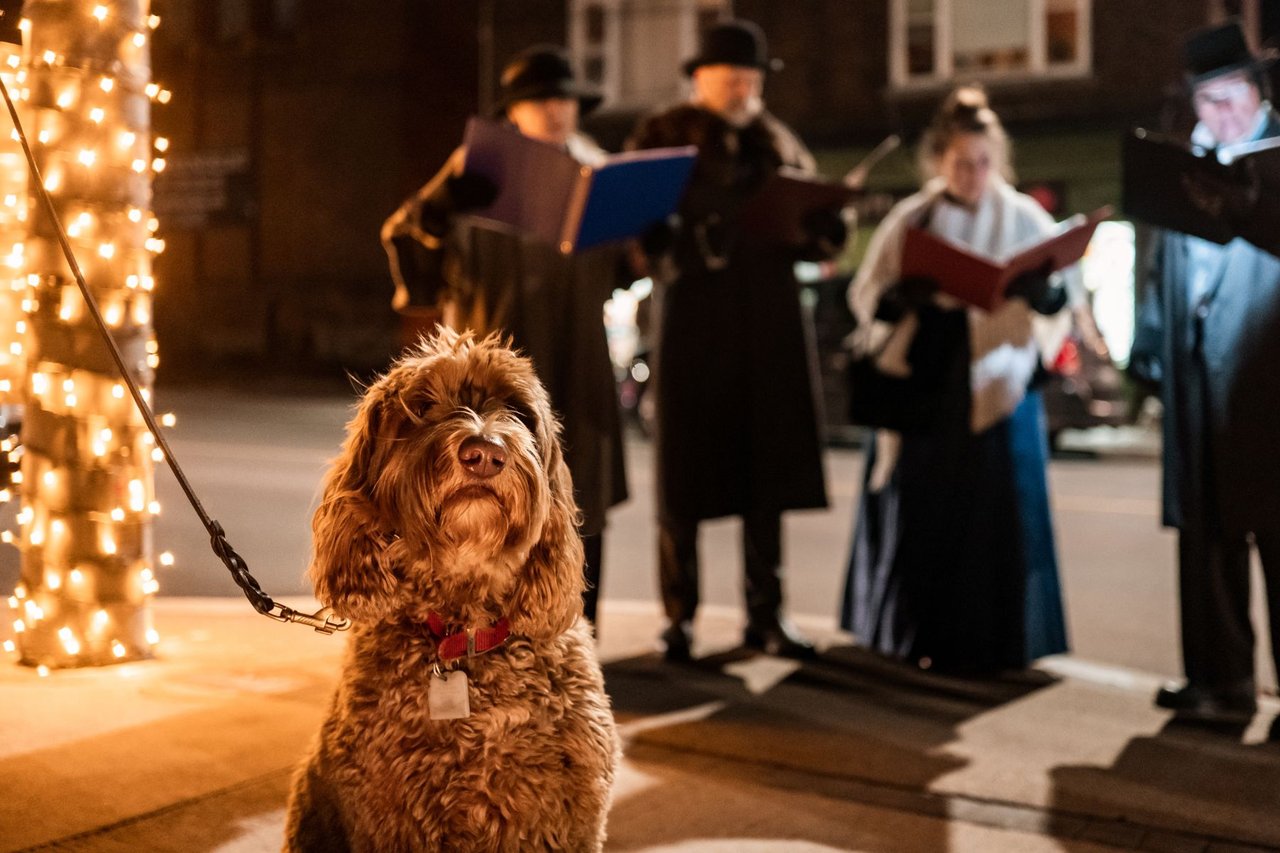
This year's vendor lineup includes Baked in Weston, a Weston-based sourdough bakery turning out loaves made with a four-ingredient starter, salt, flour and water, and Kneads, a separate stall known for whole-grain breads that recently added fresh sandwiches to the table. Agape Premium brings single-origin Greek olive oil from family groves in Messinia, run by a certified olive oil sommelier who's been working Westchester County markets for over 16 years. Honey Bee Flower Truck sets up with locally sourced blooms, and Cami Boehme, a Weston ceramicist who picked up clay in the summer of 2025, sells handmade one-of-a-kind pieces. Live music has ranged from Weston High School's own student groups warming up the early crowd to touring cover acts closing out the night, a pattern that continues this season alongside the market's regular rotation of food trucks and the Barn Bar's cocktail menu.
The season's biggest single night isn't a market date at all. Music in the Meadow, Lachat's summer concert series, runs 6 to 9 p.m. on four dates this year: June 13, July 11, August 15, and a September 19 finale that lands the week before the market's own September close. Food trucks and the Barn Bar operate at those shows too, which means the farm's fundraising rhythm this time of year runs on two tracks that both end within the same ten days.
If you're planning around what's left of the 2026 calendar, the short version:
- September 19: Music in the Meadow finale, 6 to 9 p.m.
- September 25: Farmers Market, 4 to 8 p.m.
Why the Structure Is Worth Knowing
None of this changes what a Friday night at Lachat feels like. You'll still park for tokens, still buy bread from a neighbor who bakes it that morning, still hear a band cover songs you grew up on while your kids run past the hayrack. Knowing that Friends of Lachat's programs help finance the farm's operation, and that the Center's construction drew on an Offutt estate pledge, matching funds, a town ARPA contribution and community donations, adds context to a Friday night at Lachat.
That's the kind of detail about a place that doesn't show up on a map or a listing sheet, but it's exactly the sort of thing that tells you how a town actually works, who shows up for it, and what they're willing to fund without being asked twice. If you're curious about what else shapes daily life and property values in Weston and the surrounding Gold Coast towns, The Riverside Realty Group keeps a close eye on both. Reach out anytime to talk through what's happening in your corner of Fairfield County.